

Child-Parent Relationship Therapy (CPRT) in Tampa, Sarasota & St. Petersburg

Create a stronger, more connected relationship with your child through Child-Parent Relationship Therapy (CPRT). This evidence-based, play-focused approach helps parents across Tampa, Sarasota, and St. Petersburg build trust, reduce conflict, and support emotional regulation at home. CPRT gives you practical tools to calm tantrums, ease power struggles, and strengthen the parent–child bond in meaningful and lasting ways.
What Is Child-Parent Relationship Therapy?
Child-Parent Relationship Therapy (CPRT) is a research-backed, evidence-based model designed for children ages 3–10. Unlike traditional child therapy—where parents hope progress continues outside the office—CPRT teaches you the same therapeutic play skills our trained clinicians use in session. This empowers you to become the primary healing influence in your child’s life, not just a participant on the sidelines.
At It Begins Within, our CPRT clinicians in Tampa, St. Petersburg, and Sarasota guide parents through a structured program of 8–12 weekly sessions, giving you the knowledge, confidence, and tools to support meaningful change at home.
Through these guided sessions, parents learn how to:
Strengthen attachment and emotional connection using play-based techniques
Reduce power struggles and explosive behavior with consistent, predictable responses
Improve communication and cooperation through child-centered language
Respond to big emotions with calm, clarity, and confidence
Create a nurturing, emotionally safe atmosphere that supports long-term growth
This research-supported approach has been shown to significantly improve a child’s emotional regulation, reduce disruptive behaviors, and deepen the parent–child relationship. Many families report noticeable improvements in their child’s mood, confidence, and daily functioning within just a few weeks.
understanding Child-Centered Play Therapy
Child-Centered Play Therapy (CCPT) is a therapy approach that allows children to express thoughts, emotions, and experiences through play. In a safe, non-directive environment created by the therapist, children lead the session while building emotional awareness, resilience, and self-confidence. Play therapy is particularly effective for children dealing with anxiety, trauma, behavioral challenges, or life transitions. Learn more about our play therapy services in Tampa, Sarasota & St. Petersburg.
Child-Parent Relationship Therapy is used to address a wide range of emotional, behavioral, and relational challenges in both children and their parents or caregivers.
Who in Tampa, St. Petersburg & Sarasota Can Benefit From CPRT?
How CPRT Helps parents & children
Tantrums and Emotional Outbursts
CPRT helps children learn to regulate big emotions, reducing tantrums and improving emotional resilience.Aggression and Defiance
Through structured play and parent coaching, CPRT decreases oppositional behaviors and improves cooperation.Anxiety and Social Withdrawal
CPRT fosters emotional safety and connection, helping anxious or withdrawn children feel more secure and expressive.
The Parenting Skills You’ll Actually Learn in CPRT
Child-Parent Relationship Therapy gives parents the tools child therapists use every day—practical, repeatable skills that transform behavior, reduce conflict, and strengthen trust. These aren’t vague “gentle parenting ideas”—they are structured, evidence-based techniques that work for children ages 3–10 and directly address the most common concerns we see in families across Tampa, St. Petersburg, and Sarasota.
Below are the core CPRT skills you’ll master—complete with step-by-step instructions and examples pulled from real (anonymized) parent–child interactions in session.
How to Set Limits Without Yelling
(The #1 skill parents say “changed everything”)
Most parents enter CPRT feeling worn down by:
repeating themselves, raising their voice, and negative enforcement behaviors
The CPRT Limit-Setting Method—developed by Dr. Garry Landreth—teaches you how to set boundaries with calm confidence, not force.
The CPRT 3-Step Method
Acknowledge the feeling or desire
“You’re excited and want to throw the toy.”Set a clear limit
“Toys aren’t for throwing because they can hurt people.”Offer an alternative
“You can toss this soft ball.”
Children cooperate when they feel understood and when boundaries feel predictable.
This method is scientifically linked to a reduction in:
Reflective Listening
Reflective listening is one of the foundational CPRT skills and one of the quickest ways to calm an overwhelmed child. It teaches parents how to speak directly to a child’s emotional experience—without fixing or dismissing their feelings.
Traditional Adult Responses
Traditional parenting responses may include things like: “Stop crying”, or “You’re fine” and even “Calm down
CPRT Reflective Responses
Reflective responses incorporate what the child is experiencing and look more like: “You’re really frustrated” and “You’re mad your brother took your toy”
Encouragement vs. Praise: The Landreth Method for Real Self-Esteem
One of the most impactful CPRT skills is learning the difference between praise and encouragement. Praise focuses on the outcome—“Good job!” or “You’re so smart!”—and often leads children to seek approval rather than confidence. Encouragement focuses on the effort, helping kids build internal motivation and real self-esteem. Examples include: “You kept trying even when it was hard,” or “You worked so carefully on that.”
How to Handle Tantrums & Hitting (Step-by-Step Script)
CPRT teaches parents exactly what to do when a meltdown, “No!”, or hitting happens. Using a structured script, you’ll learn to stay calm and give your child the clarity they need:
Reflect the feeling: “You’re really mad your sister took your toy.”
Set the limit: “Hitting is not for hurting.”
Give an alternative: “You can hit this pillow to get the mad out.”
Protect safety: “I won’t let you hurt me. I’m stepping back until your body is ready.”
This approach directly targets today’s top parenting searches—how to discipline a 3-year-old, positive discipline toddler, and gentle parenting techniques that work. It teaches emotional regulation, safe expression, and boundary respect, all while showing your child you can remain steady even when they can’t.
Meet Our Child-Parent Relationship Therapists

Ciana Nguyen, LCSW
Tampa & Sarasota Licensed Clinical Social Worker with an early childhood development background, using play therapy and CBT to help children 2.5+ build emotional regulation and strengthen the parent-child bond.

Lauren Pankuch, LMHC
Tampa Licensed Mental Health Counselor formally trained in Child-Parent Relationship Therapy (CPRT) and Play Therapy, helping Tampa families reduce conflict, strengthen attachment, and support children through trauma and neurodivergence.

Brianna Garcia, LMHC
Boston College–trained Tampa Therapist who uses CBT, DBT-informed approaches, and play-based techniques to help young children manage meltdowns while giving parents practical, actionable tools.
How Does CPRT Work?
Child-Parent Relationship Therapy is a structured, 10-session play-based program that teaches parents how to use therapeutic play to strengthen attachment, reduce challenging behaviors, and support their child’s emotional growth. Under the guidance of a licensed child therapist, parents attend weekly training sessions (typically without the child present), where they learn specific skills like reflective listening, emotion labeling, limit setting, and therapeutic responses to misbehavior. Parents then apply these skills in weekly 30-minute play sessions at home with their child, while receiving ongoing support and feedback from their therapist. CPRT is typically completed in 10–12 weeks and has been shown to improve parent-child connection, reduce emotional reactivity, and increase parenting confidence, making it ideal for families in Tampa, St. Petersburg, and Sarasota seeking a proven approach to child behavioral improvement.
cprt has been proven to help improve
Parent-child attachment and connection
Emotional regulation in children
Parental confidence and stress levels
Child self-esteem and social relationships
Behavioral concerns without the use of punishment
Research shows that CPRT significantly reduces behavior problems in children and enhances the parent-child relationship in just 10–12 weeks.
What Should Parents Know About CPRT?
Child-Parent Relationship Therapy empowers parents to be the primary agents of change in their child’s emotional and behavioral health. The most important things for parents to understand are:
You Become the Therapist – CPRT is not about sending your child to therapy, it's about learning tools to create a healing, connected environment at home through structured, play-based interactions.
It’s About the Relationship, Not Control – The goal of CPRT is to improve emotional connection and attachment, which naturally reduces defiance, aggression, anxiety, and other behavior issues.
It’s Brief but Effective – CPRT typically lasts 10–12 weeks and is supported by over 20 years of research showing long-term improvements in behavior, emotional regulation, and family dynamics.
Practice Skill Development – CPRT gives you evidence-based tools you can continue using long after the program ends, including how to set limits, praise effectively, and respond calmly to difficult behavior.
How CPRT Fits Into a Child’s Treatment Plan in Tampa, St. Petersburg & Sara

Child-Parent Relationship Therapy can serve as both a standalone treatment and a complementary intervention within a broader therapeutic plan, depending on the child’s needs and family goals. For many children (age 3–10), especially those with behavioral challenges, anxiety, or attachment disruptions, it is highly effective on its own.
However, CPRT can also be integrated with other therapy modalities like individual play therapy, trauma-informed therapy, or family systems therapy. At It Begins Within in Tampa and St. Petersburg, our clinicians often use CPRT as an early or foundational intervention to stabilize the parent-child relationship before progressing to more specialized treatments, such as trauma therapy or ADHD coaching. In this way, CPRT not only addresses immediate behavioral concerns but also strengthens the emotional framework needed for deeper healing.
Related Therapy Approaches & Services

We understand that each family’s needs are unique. In addition to Child-Parent Relationship Therapy (CPRT), we offer several related approaches & services including:
Parent Coaching & Support – Personalized sessions to help parents navigate discipline, boundaries, and emotional regulation strategies at home.
Child-Centered Play Therapy – A developmentally appropriate therapy that helps children express emotions and process experiences through play.
Trauma-Informed Child Therapy – Support for children recovering from grief, divorce, adoption, or early life trauma.
Family Therapy – Facilitated sessions to improve communication, resolve conflict, and strengthen the overall family dynamic.
ADHD Therapy For Children – Practical strategies for focus, self-regulation, and behavior management.
CBT For Kids - Structured, evidence-based therapy that helps children identify unhelpful thoughts, manage anxiety, and develop healthy coping skills.
if your looking for support with older children, we invite you to learn more about our therapy for teens in Tampa, St. Petersburg & Sarasota
Parental Therapy Near Me in Florida
Parenting skills counseling in st. petersburg
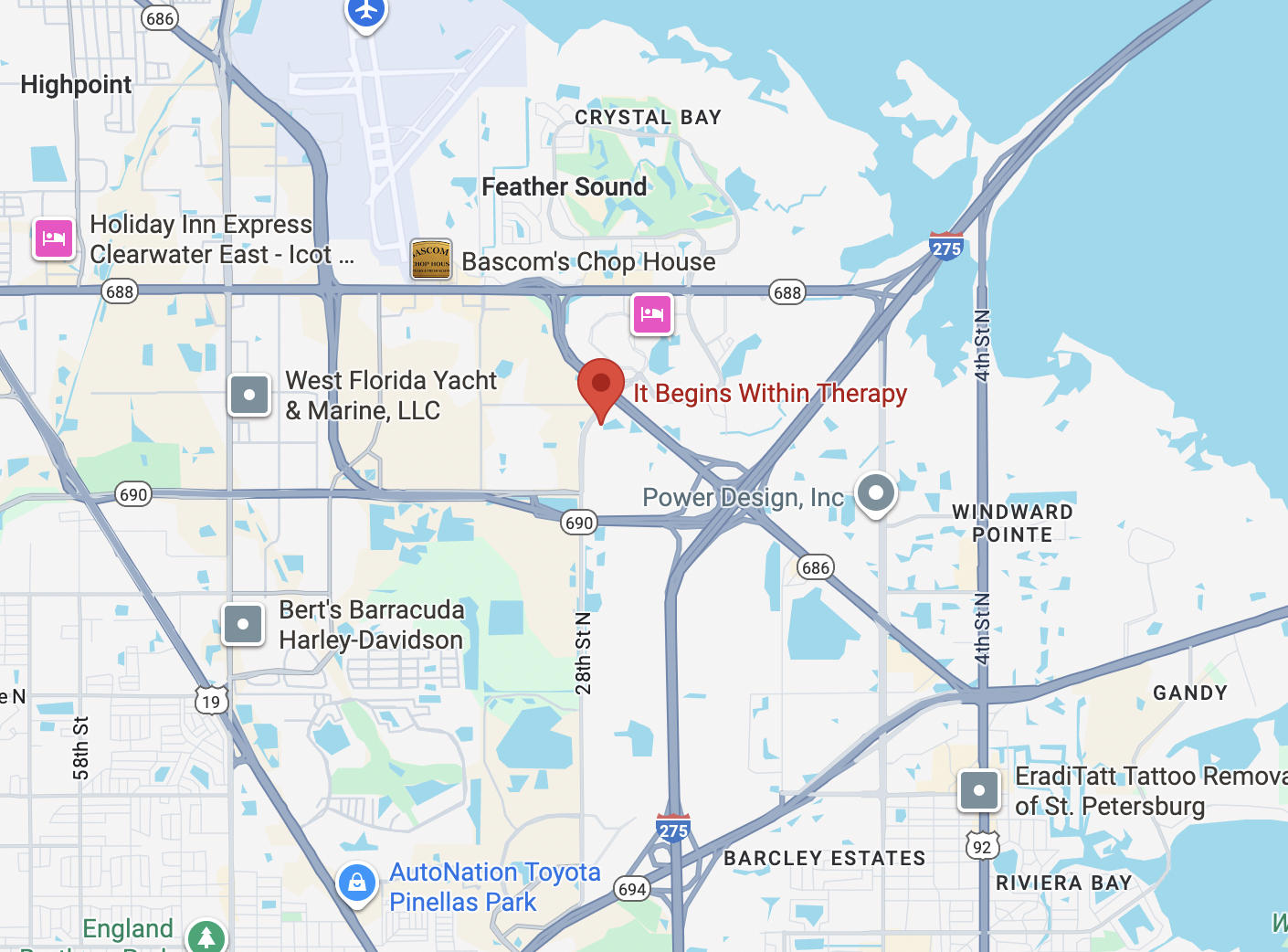
Our St. Petersburg CPRT therapists support parents and children across Pinellas County, including Clearwater, Largo, Gulfport, Seminole, Feather Sound, and Treasure Island. CPRT in St. Pete focuses on teaching parents practical skills to handle defiance, big emotions, and daily challenges while strengthening the attachment bond. Families often see improvements in confidence, cooperation, and emotional regulation within just a few weeks.
Parenting skills counseling in tampa
Located near Westshore and South Tampa, our Tampa CPRT therapists work with families throughout Hillsborough County — including South Tampa, Hyde Park, Carrollwood, Brandon, Riverview, and Westchase. Parents learn gentle but effective discipline techniques, emotionally attuned communication, and structured tools like Special Play Time and the CPRT limit-setting model. These strategies reduce tantrums, improve emotional stability, and help you create a calmer, more connected home.

Parenting skills counseling in sarasota
Our Sarasota clinicians provide CPRT and parent coaching to families in Lakewood Ranch, Palmer Ranch, Siesta Key, Bradenton, and University Park. Through CPRT, Sarasota parents learn how to respond to big feelings, manage challenging behaviors, and strengthen the parent–child bond using play-based, attachment-focused strategies. This approach builds emotional resilience, reduces conflict, and supports long-term family well-being.

Frequently Asked Questions
What age is CPRT designed for?
CPRT is ideal for children ages 3–10 who are experiencing emotional or behavioral challenges.
Is this therapy for the parent or the child?
Both. CPRT focuses on empowering you, the parent, to create a therapeutic environment for your child through relationship-based play.
Do I need to come every week?
Yes, weekly participation is key to CPRT’s success. We offer flexible scheduling to accommodate busy families.
How long does CPRT take?
Most programs run for 10–12 weeks. Some families choose to continue with booster sessions or transition to other forms of family therapy.

Schedule Free Consultation for Child Parent Therapy
Struggling with tantrums, defiance, or disconnection at home? Our Child-Parent Relationship Therapy (CPRT) program helps parents in Tampa and St. Pete build stronger bonds and reduce behavior challenges through evidence-based, play-focused strategies.