

Specialized Teen Therapists in Tampa, St. Petersburg & Sarasota

Being a parent of a teenager can feel both rewarding and overwhelming. If you’re concerned about your child’s wellbeing because your they seems anxious, withdrawn, irritable, or burnt out, you’re not alone. At It Begins Within, our licensed teen therapists specialize in counseling for adolescents who are navigating anxiety, depression, school pressure, sports performance, identity questions, and self-esteem challenges
With offices in Tampa, St. Petersburg, and Sarasota (as well as secure online therapy for teens anywhere in Florida), we can help your teen build resilience and confidence while giving you clear guidance and support.
Understanding the Challenge of Adolescence in Tampa, St. Petersburg & Sarasota
Adolescence is a time of significant change — emotionally, socially, and neurologically. Across the country, teens are growing up in a world that feels more complex, demanding, and uncertain than ever. Social media, academic competition, identity exploration, and concerns about the future all collide during a stage of life when the brain is still developing and emotions often feel overwhelming.
Here in Tampa, St. Petersburg, and surrounding Florida communities, those challenges can take on unique forms.
What Teens Are Facing
Academic and Athletic Pressure - In high-performing schools across Hillsborough and Pinellas counties, teens feel intense pressure to succeed, whether that be in the classroom or on the field. This drive can lead to anxiety, burnout, and perfectionism. This pressure can be compounded with high-performing parents, who children aspire to emulate.
Social Media & Image Culture - The nonstop stream of filtered lives and online comparison (without appropriate understanding and context) takes a toll on our children’s self-esteem. Tampa Bay teens are not immune, and many of our clients arrive struggling with body image, peer approval, as well as battling physical and online bullying.
Identity, Belonging & Dating - Adolescents are exploring who they are along with their values, beliefs, and relationships, often without safe spaces to process what they're hearing.
Access to Substances & Risky Behavior - Like many urban and coastal areas, Tampa Bay teens are not immune to the exploration of risky and impulsive behavior, especially among those seeking escape or a sense of “belonging”.
Technology and the Search for Belonging - While today’s teens are more “connected” than ever, many feel less grounded in who they are. The rapid pace of digital life can create a deep sense of disorientation, making it harder to define values, form lasting relationships, or feel a genuine sense of connection.
What Tampa, Sarasota & St. Petersburg Say About It Begins Within
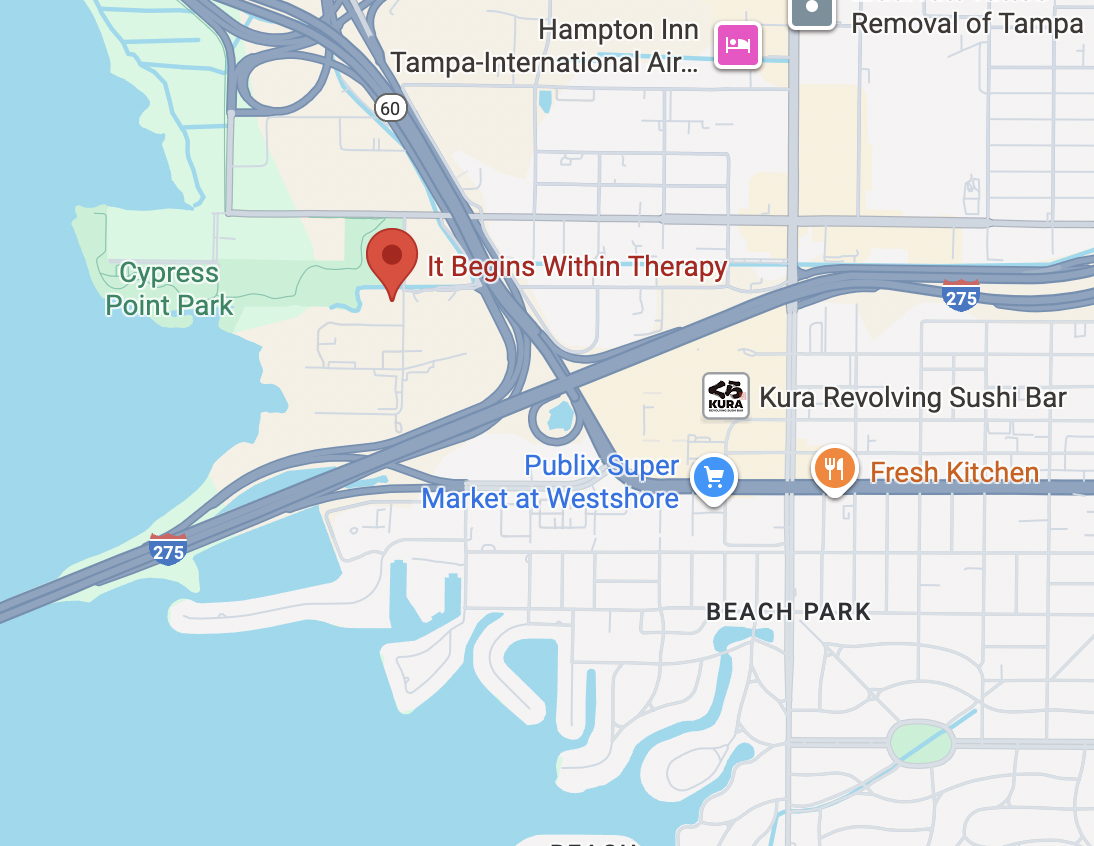
Teens in Tampa face constant pressure—from academic expectations and competitive environments to social media, performance demands, and packed schedules. When stress, anxiety, mood changes, or emotional shutdown begin to interfere with daily life, teen therapy can provide meaningful support.
Our Tampa-based teen therapists specialize in helping adolescents navigate anxiety, depression, ADHD, emotional regulation, school stress, and identity development. Using evidence-based approaches such as CBT, DBT-informed therapy, mindfulness, and skills-based support, we help teens build resilience, confidence, and healthier coping strategies.
We balance teen privacy with appropriate parent involvement, creating a space where teens feel heard while families stay informed and supported. We serve families throughout South Tampa, Hyde Park, Davis Islands, Westchase, Carrollwood, New Tampa, Brandon, and Riverview.

Lauren Pankuch, LMHC - Child Therapist
Lauren specializes in supporting teens with anxiety, emotional regulation challenges, and neurodivergent needs, helping them build confidence, self-understanding, and practical skills for daily life.

Andrew Decker, RMHCI - Teen Therapist
Andrew specializes in helping teens develop emotional resilience, healthy coping strategies, and confidence while working through stress, mood changes, and life transitions.

Brianna Garcia, LMHC - Youth Therapist
Brianna specializes in helping teens strengthen emotional regulation, self-confidence, and coping skills while navigating anxiety, school stress, peer relationships, and identity development.
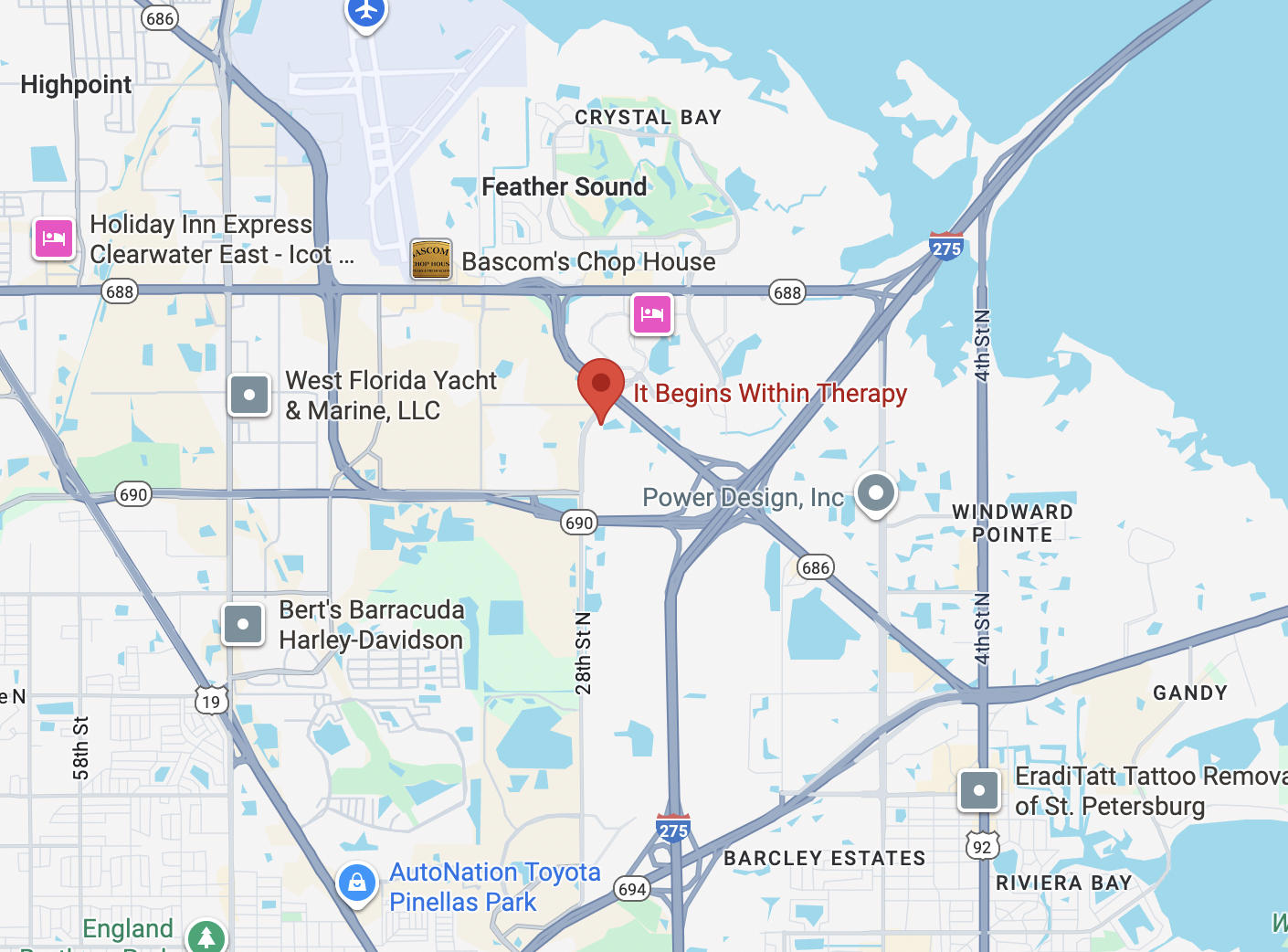
Adolescents in St. Petersburg often juggle school demands, social challenges, and emotional changes during a critical stage of development. When teens feel overwhelmed, disconnected, or stuck, therapy can help them regain clarity and emotional balance.
Our St. Petersburg teen therapists provide developmentally appropriate, evidence-based care for anxiety, depression, ADHD, emotional regulation, and relationship challenges. We focus on helping teens better understand their emotions, improve communication, and build coping skills that support both independence and well-being.
Therapy is collaborative and respectful of each teen’s pace, while still partnering with parents when needed. We support families across St. Petersburg, Pinellas Park, Seminole, Largo, Gulfport, and surrounding Pinellas County communities.

Melissa Zentner, LMHC – Teen Sports Performance Therapist
Melissa specializes in supporting teens and young adults facing anxiety, performance pressure, trauma-related stress, and relationship challenges, helping them strengthen emotional control and confidence under pressure.

Ashley Canto, LMHC – Child & Teen Therapist
Ashley specializes in working with children and teens who have experienced trauma or emotional overwhelm, helping them develop safety, regulation, and self-confidence through developmentally appropriate, evidence-based care.

Megan Midura, LMHC – Teen Therapist
Megan specializes in helping teens build emotional regulation, confidence, and resilience while navigating anxiety, school stress, peer relationships, and identity development.
When your teenager begins withdrawing, struggling at school, becoming increasingly anxious or irritable, losing interest in things they used to enjoy, or simply seeming unlike themselves, it can be difficult to know what is normal adolescence and what deserves additional support.
Our Sarasota teen therapists work with adolescents experiencing anxiety, depression, OCD, intrusive thoughts, panic attacks, ADHD-related difficulties, grief, trauma, emotional dysregulation, family conflict, relationship concerns, and difficult life transitions. Therapy gives teenagers a private and developmentally appropriate setting to better understand what they are experiencing while developing more effective ways of responding to it.
Working with teenagers also requires balancing the adolescent's need for privacy with appropriate parental involvement. Your teen's therapist can discuss expectations around confidentiality, communication, safety, and parent participation so both teenagers and parents understand how treatment will work.
Our Sarasota office serves teenagers and families from Sarasota, Lakewood Ranch, Palmer Ranch, Osprey, Nokomis, Siesta Key, Venice, and surrounding communities. Families looking for teen therapy in Sarasota can begin with a complimentary consultation to discuss what is happening and determine which therapist may be the best fit.


Nicole Young, LCSW - Teen Therapist
Nicole specializes in helping teens build confidence, emotional regulation, and healthy self-esteem while navigating school stress, peer relationships, and identity development during critical adolescent years.

Ciana Nguyen, LCSW - Child & Adolescent Therapist
Ciana specializes in supporting teens whose emotional well-being and self-esteem have been impacted by chronic stress, health challenges, or life transitions, helping them rebuild resilience, identity, and self-worth.
Is Therapy Right for My Teen? 7 Signs It May Be Time to Get Help
Parents usually know something is “off” long before they can put words to it. Therapy might be right for your teen if you notice one or more of these changes lasting more than a few weeks:
Big shifts in mood – your teen seems unusually sad, irritable, angry, or hopeless.
Withdrawal from friends or activities – they stop doing things they used to enjoy or avoid social situations all together.
Changes in sleep or appetite – difficulty falling asleep, sleeping all day, or noticeable weight changes.
Drop in grades or motivation – missing assignments, falling behind, or saying “what’s the point?” about school or sports (if your teen has started refusing to go to school, this guide may be helpful.
Increased anxiety or perfectionism – constant worry, melt-downs over small things, or fear of disappointing others.
Risky or impulsive behavior – substance use, sneaking out, self-harm, or other behaviors that feel out of character.
They tell you they’re struggling – saying they feel overwhelmed, “numb,” or like no one understands.
If your teen is experiencing suicidal thoughts or a mental health crisis, call or text 988 to reach the 988 Suicide & Crisis Lifeline. If your teen is in immediate danger, call 911 or go to the nearest emergency department.
You don’t need to wait for a crisis. Many families come to us simply because they want their teen to have a neutral, supportive adult to talk to and concrete tools for managing stress.
Are you wondering if what you’re seeing is normal or something more?
How Therapy for Teenagers & Adolescents Helps
Therapy gives teens more than just a space to vent - it gives them tools to grow, process, and thrive.
At It Begins Within, we specialize in adolescent counseling for anxiety, depression, ADHD, and school-related stress. Whether your teen is struggling with self-esteem, emotional regulation, or relationship challenges, our licensed therapists in Tampa and St. Petersburg offer support that’s local, compassionate, and tailored to their stage of life.
What Teens Gain Through Therapy
Emotional Regulation & Improve Self-Awareness
Confidence & Self-esteem
Building Stronger Relationships at Home and School
Tools to Manage Academic Stress & ADHD
A Safe Space to Explore Their Emotions

Why Teen Therapy Matters
While you may just see the irritability, withdrawal, or outbursts - underneath, your teen may be struggling with emotions they don’t know how to articulate. Our teen therapists in Tampa and St. Pete have the ability to meet them with understanding (not fixing) and help them build skills that last well beyond the therapy room.
Whether your teen is in crisis or simply navigating the normal stress of growing up in today’s world, we’re here to help them (and you) feel more connected, capable, and empowered.
Which Therapy Approaches Work Best for Adolescents and Teens?
There isn’t one “best” therapy for all teens. The most effective approach depends on your child’s personality, history, and goals. At It Begins Within, our teen therapists in Tampa, St. Petersburg, and Sarasota draw from several evidence-based therapies that research has shown to be effective for adolescents:
Cognitive Behavioral Therapy for Teenagers - Helps teens notice unhelpful thought patterns (“I’m a failure,” “Nobody likes me”) and replace them with more balanced, realistic thinking. CBT is often used for anxiety, depression, school stress, and perfectionism.
Dialectical Behavior Therapy (DBT & DBT-A for Teens) - DBT teaches skills for emotion regulation, distress tolerance, mindfulness, and healthy relationships. It’s especially helpful for teens who feel “too intense,” struggle with self-harm or big mood swings, or have complicated relationships with peers and parents.
Trauma-Focused Therapy & EMDR for Teens
For teens who have experienced trauma, bullying, medical events, accidents, or family changes, we may use trauma-focused CBT or EMDR (Eye Movement Desensitization and Reprocessing) to gently process painful memories so they feel less overwhelming.Mindfulness & Body-Based Interventions - Many teens feel constantly “on edge” or stuck in fight-or-flight. Mindfulness, breathing exercises, and body-based tools help them notice what’s happening inside and calm their nervous system, which is especially useful for anxiety, sports performance, and test stress.
Art Therapy & Creative Approaches - Not every teen wants to sit and talk for an hour. Art, journaling, and other creative tools give adolescents another way to express feelings when words are hard to find.
Your teen’s therapist will recommend a plan that fits your child—not a generic program. We’ll always explain why we’re using a particular approach so you understand how it can help. If you are interested in learning more, we invite you to read our guide to choosing the right therapy approach for your teenager

Our Philosophy for Teen Counseling

At It Begins Within, we don’t believe in one-size-fits-all therapy. Our adolescent therapists take the time to understand your child’s personality, emotional needs, and unique situation. For younger children whose needs may be better addressed through developmentally specific child therapy, our team can also help families determine which level of care is the best fit.
Relatable, SPECIALIZED Therapists Who Get IT
We know that teens open up when they feel understood. That’s why we’ve built a team of warm, down-to-earth therapists who are not only highly trained in human development, but also skilled in building trust without pressure.
5 Adolescent Challenges We Specialized in
Our therapists specialize in helping teens navigate the emotional, academic, and social challenges of growing up. Whether your teen is facing a specific issue or a more general sense of overwhelm, we offer compassionate, evidence-based care tailored to their needs.
TEEN & adolescent anxiety treatment
Is your teen constantly battling excessive worrying, overthinking, or melting down? You're not alone. We provide support for teens suffering from anxiety in Tampa and St. Pete that blends practical, evidence-based tools (like cognitive behavioral therapy for teens and mindfulness) with compassion.
adolescent depression treatment
When a teenager loses motivation, isolates from friends, or seems irritable all the time, it’s easy to wonder if there is something deeper going on. We offer compassionate therapy for teen depression that helps adolescents feel heard, reconnect to what matters, and rebuild a sense of self-worth.
Social Anxiety, Bullying, and Friendship Struggles
Whether it’s group chat drama, social exclusion, or fear of judgment, many teens feel like they just don’t fit in. Our therapists help teens build confidence in who they are, process social pain, and learn how to navigate friendships without losing themselves in the process.
Stress, Academic Burnout, and ADHD
Gifted programs, AP courses, and college prep can take a real toll — especially when ADHD or executive functioning issues are involved. We support high-achieving students and teens with ADHD who are fexeling overwhelmed, helping them manage pressure, improve focus, and set goals that actually feel doable.
Sports Performance, Identity, and Burnout
For many youth athletes in Tampa Bay, their self-worth and performance are deeply tied. We support teen athletes under pressure, helping them manage nerves, recover from failure, and cultivate the mental edge needed to perform without losing who they are in the process.
Learn more about Performance Therapy for Student Athletes
Signs of Depression & Anxiety in Teens
Depression in teens often shows up as irritability, withdrawal, exhaustion, or sudden changes in behavior that go far beyond “normal teenage moodiness.” If your teen seems disconnected from friends, overwhelmed by school, or unusually angry or shut down, these can be early indicators that they’re struggling emotionally. Because depression can look different in every child—especially across Tampa Bay’s high-performing schools and competitive environments—early support is essential.
To learn the most subtle signs parents often miss (and what you can do right now), read our guide:
15 Signs Your Child May Be Masking Depression or Anxiety.
Treatment Options for Teen Depression
If your teenager is depressed, recognizing the signs is only the beginning. Parents often want to know what treatment actually looks like and whether their teenager can improve without immediately turning to medication.
Teen depression can be treated with psychotherapy, and several evidence-based approaches may be appropriate depending on the teenager's symptoms and circumstances. Therapy may focus on reducing withdrawal and avoidance, increasing engagement in meaningful activities, addressing patterns of negative thinking, improving emotional regulation, strengthening relationships, developing problem-solving skills, and addressing stressors contributing to depression.
Cognitive Behavioral Therapy (CBT) can help teenagers recognize relationships among thoughts, emotions, and behavior while developing more adaptive ways of responding to depressive patterns. Other approaches may incorporate behavioral activation, mindfulness, acceptance-based strategies, interpersonal work, family involvement, and skills for managing intense emotions.
Medication is not automatically required for every teenager with depression. Some teens may begin with psychotherapy alone, while others may benefit from psychiatric evaluation and a combination of therapy and medication. Treatment decisions should consider symptom severity, safety, functional impairment, previous treatment response, family and teen preferences, and recommendations from appropriately qualified healthcare professionals.
Depression can also involve self-harm or suicidal thoughts, which require appropriate assessment rather than being treated as simply another symptom to wait out. If your teenager is in immediate danger, call 911 or go to the nearest emergency department. If your teen is experiencing suicidal thoughts or a mental health crisis, call or text 988 to reach the 988 Suicide & Crisis Lifeline.
Teen Therapy for OCD, Intrusive Thoughts & Panic Attacks
When a teenager tells you they cannot stop thinking about something frightening, disturbing, or unwanted, it can be difficult to know whether you are seeing ordinary anxiety or something that needs treatment. OCD, intrusive thoughts, and panic attacks can become especially disruptive when teens begin avoiding school, activities, relationships, or situations that trigger anxiety.
For teenagers with OCD, unwanted intrusive thoughts may become connected to compulsions, reassurance seeking, checking, avoidance, or mental rituals intended to reduce distress. Unfortunately, the temporary relief these behaviors provide can reinforce the cycle and make OCD increasingly restrictive over time.
Teenagers experiencing panic attacks may become afraid not only of the panic itself but also of situations where they believe another attack could occur. This can gradually lead to avoidance of school, driving, social situations, sports, travel, or other previously manageable activities.
Effective therapy focuses on understanding what is maintaining the anxiety rather than simply trying to eliminate every uncomfortable thought or feeling. Depending on your teenager's presentation, treatment may include Cognitive Behavioral Therapy (CBT), Exposure and Response Prevention (ERP) for OCD, mindfulness-based strategies, and skills for responding differently to anxiety and intrusive thoughts.
Teen Counseling for Grief, Loss & Bereavement
Grief in teenagers does not always look like sadness. A teen may become withdrawn, irritable, distracted, angry, less interested in friends or activities, or more focused on questions about death and what comes next. Some teenagers want to talk about the person they lost, while others avoid the subject entirely.
Grief can follow the death of a parent, sibling, family member, friend, or another important person. Teenagers can also experience significant grief after losses that do not involve death, including divorce, a major move, the end of an important relationship, loss of a friendship, changes in health, or other disruptions to the life they expected to have.
Teen counseling provides a place to process the loss without requiring grief to look a particular way or follow a specific timeline. Therapy can help teenagers understand emotional reactions, express difficult thoughts and feelings, maintain meaningful connections, and gradually adjust to life after a significant loss.
When grief is accompanied by persistent hopelessness, significant changes in functioning, self-harm, or thoughts of suicide, additional assessment and support may be necessary. If your teen is in immediate danger, call 911 or go to the nearest emergency department. If your teen is experiencing suicidal thoughts or a mental health crisis, call or text 988 to reach the 988 Suicide & Crisis Lifeline.
When Teen Therapy and Psychiatric Support Work Together
Parents often wonder whether their teenager needs therapy, medication, or both. There is no single answer that applies to every teenager. The appropriate treatment plan depends on the symptoms involved, their severity, how much they are affecting daily functioning, your teenager's treatment history, medical considerations, and the preferences of the teen and family.
Therapy can be used without medication. For many teenagers, psychotherapy is an important first-line or central part of treatment and can address patterns involving anxiety, depression, ADHD-related difficulties, emotional regulation, behavior, relationships, and coping. A therapist can also monitor progress and discuss whether additional evaluation may be appropriate when symptoms remain severe or continue to interfere significantly with functioning.
For some teenagers, therapy and psychiatric care are used together. A psychiatric provider can evaluate whether medication may be appropriate, monitor its effects, and address medical questions related to psychiatric treatment. Therapy continues to address the behavioral, emotional, cognitive, interpersonal, and environmental patterns affecting the teenager's daily life.
Choosing to pursue a psychiatric evaluation does not mean therapy has failed, and choosing to begin with therapy does not mean medication will eventually be necessary. These decisions should be individualized and made collaboratively with appropriately qualified healthcare professionals.
What Teen Therapy Looks Like & How Parents Stay Involved
Youth mental health therapy should feel safe, empowering, and developmentally appropriate — not sterile and clinical. At It Begins Within, we make sure teens feel understood, while also keeping parents supported and informed throughout the therapy process.
Whether your teen is meeting us in-person in Tampa or St. Petersburg, or attending sessions virtually anywhere in Florida, here’s what to expect.
What Happens in Teen COUNSELING Sessions
Our licensed therapists meet your teen where they are. Initial sessions focus on building trust and understanding their challenges and goals. Depending on your child’s needs, sessions may include:
Talk therapy to process emotions, thoughts, and experiences
Narrative therapy for adolescents to help your teen separate themselves from their problems and view their life stories in new, more empowering ways
Practical skills for managing anxiety, stress, or low motivation
Mindfulness, journaling, or other interactive approaches
Parent check-ins, when appropriate, to support progress at home
We’re here to help teens feel less overwhelmed and more capable — not to label them or “fix” them.
How We Involve Parents Without Breaking Trust IN adolescent therapy
We know how hard it can be to watch your child struggle. You want to help them — and in order for all of us support that mission, there is often a level of privacy and trust required. Fortunately, our therapists bring expert guidance in balancing these elements.
For younger teens or more complex challenges, we’ll often share updates, collaborate on goals, or offer parent support sessions. But we always protect the therapeutic relationship so your teen knows they have a space where they can speak freely.
As their parent you are an incredibly important part of your child’s journey, and we’ll guide you every step of the way.
How to Support Your Teen After Their Therapy Session
What you do after therapy can make a big difference in how much your teen benefits from it. Here are practical ways Tampa Bay parents can support the process:
Give them space first - Many teens need a little quiet time after a session. Instead of asking a lot of questions in the car, try: “If you ever want to share what you talked about, I’m here.”
Avoid grilling or prying - Curiosity is normal, but pushing for details can make your teen shut down. Trust that if there’s something you need to know, your child’s therapist will reach out.
Ask process-focused questions - If your teen seems open to talking, ask questions like, “Did anything feel helpful today?” or “Is there anything I can do this week that would make things easier?”
Help with therapy homework - They may receive small exercises—like tracking moods, practicing coping skills, or using new communication strategies. Offer support: “Do you want a reminder or a quiet space to practice that breathing tool?”
Model regulation and openness - Teens watch how you handle stress. When you can, name your own coping skills (“I’m feeling stressed, so I’m going to take a walk”) instead of pretending everything is fine.
Respect their privacy - Let your teen know you respect that therapy is their space, unless there’s a safety concern. This builds trust and often leads to more sharing over time.
Stay in touch with the therapist when appropriate - Especially for younger teens or more complex situations, your therapist may recommend parent check-in sessions so you can ask questions, share updates, and learn how to support your teen at home.
Online & Virtual Teen Therapy | Best Online Therapy Options for Florida Teens
Many families search for “the best online therapy for teens” because they need something flexible, private, and accessible from home. The truth is, the “best” online therapy isn’t a single app or website—it’s a licensed, experienced therapist your teen feels comfortable with.
At It Begins Within, our online therapy is led by the same licensed clinicians who see clients in-person. Sessions are conducted over a HIPAA-compliant video platform and can be especially helpful if:
Your teen has a busy school or sports schedule.
You live farther from our physical offices but still want a top-rated teen therapist
Your adolescent feels more comfortable talking from the privacy of home.
Which online therapy works best for teens?
While therapy modalities matter, the most important factor—online or in person—is whether your teen feels comfortable, understood, and able to trust their therapist. Research consistently shows that the therapeutic relationship is the strongest predictor of progress for adolescents. The best online therapy for teens isn’t a specific technique—it’s therapy delivered by a licensed clinician your child can relate to, who specializes in teen mental health, and who can adapt their approach as your teen’s needs evolve. At It Begins Within, our therapists are trained in multiple evidence-based modalities (like CBT, DBT-A, EMDR, and mindfulness), allowing us to choose the method—or blend of methods—that fits your teen’s personality, challenges, and goals. When teens feel safe and connected, online therapy becomes just as effective as in-person care.
Teen Counseling FAQs
Is therapy only for teens with serious mental health issues?
The simple answer is no. Therapy can benefit any teen experiencing stress, emotional struggles, or difficulty coping with life.
Will my teen be diagnosed with a mental health disorder?
Not necessarily. Our therapists assess your teen's needs and determine if a diagnosis is appropriate or if therapy should be more about developing coping skills and strategies. Fortunately since we do not accept insurance, this information will never be shared with anyone - ever.
How long does therapy take to work?
The required time will vary based on a number of factors. Some teens benefit from short-term therapy (8-12 sessions), while others may need ongoing support.
Will I know what my teen talks about in therapy?
Our therapists maintain confidentiality to create and maintain a safe space for your child, but they will inform parents if there is any safety concern (for example self-harm or harm to others).
What if my teen refuses to go to therapy?
Open a conversation about their concerns, involve them in choosing a therapist, and explain therapy as a tool for support, not punishment. If you would like further assistance in having this conversation, we welcome your call and can provide specific guidance based on your unique circumstances.
What is dialectical behavior therapy adolescents?
DBT is a proven therapy that helps teens manage intense emotions, reduce risky behaviors, and improve relationships through skills like mindfulness, emotional regulation, and distress tolerance. Dr. Perleoni explains, “DBT teaches teens resilience and better communication to handle life’s challenges.”
What are the treatment options for teenage depression?
Teen depression can be treated with psychotherapy, medication, or a combination depending on the teenager's needs. Therapy may address withdrawal, negative thinking, emotional regulation, relationships, and behavioral patterns that maintain depression. Treatment should be individualized based on severity, functioning, safety, previous response to treatment, and teen and family preferences.
Can therapy help my teen without medication?
Yes. Therapy can be used without medication, and some teenagers may appropriately begin treatment with psychotherapy alone. Whether that is sufficient depends on the condition being treated, symptom severity, safety, functioning, and response to therapy. A therapist can also discuss when evaluation by another healthcare professional may be appropriate.
What is the difference between a teen therapist, psychologist, and psychiatric provider?
A teen therapist provides psychotherapy for emotional and behavioral concerns. A psychologist has doctoral-level psychology training and may provide therapy, psychological testing, or both. A psychiatric provider evaluates psychiatric conditions and may prescribe and manage medication within the scope of their professional license.
When should my teenager see a psychiatric provider in addition to a therapist?
A psychiatric evaluation may be considered when symptoms are severe, significantly impair functioning, raise safety concerns, or have not sufficiently improved with psychotherapy alone. It may also be appropriate when parents want to better understand whether medication should be considered as one part of their teenager's treatment.
Can therapy and medication be used together for teen anxiety, depression, or ADHD?
Yes. Some teenagers receive psychotherapy and medication concurrently when clinically appropriate. Medication and therapy serve different functions, and using both does not mean either treatment has failed. Decisions about medication should be made individually with an appropriately qualified prescriber based on the teenager's symptoms, medical history, response to treatment, and preferences.
Can teen therapy help with OCD, intrusive thoughts, or panic attacks?
Yes. Evidence-based therapy can help teenagers with OCD, intrusive thoughts, and panic attacks. Treatment focuses on changing the patterns that maintain anxiety rather than simply trying to suppress unwanted thoughts or avoid uncomfortable sensations. For OCD, treatment may include Exposure and Response Prevention, commonly called ERP.
Can therapy help a teenager cope with grief after losing a parent, family member, or friend?
Yes. Teen counseling can provide a supportive place to process grief following the death of someone important. Therapy can help teenagers understand their reactions, express difficult emotions, maintain meaningful connections, and adjust to changes following the loss without assuming that grief should follow a particular timeline.
Do you offer teen therapy in Sarasota?
Yes. It Begins Within provides teen therapy in Sarasota for concerns including anxiety, depression, OCD, ADHD-related difficulties, grief, trauma, emotional regulation, and family or relationship concerns. Treatment is individualized to the teenager, with parent involvement incorporated when clinically appropriate.
Finding the Right Youth Therapist
Finding the right therapist can make all the difference in your teens mental and emotional wellbeing. At It Begins Within, we are dedicated to providing compassionate, individualized care tailored to your teen’s unique needs.
If you’re looking for teen therapy in Tampa, St. Petersburg, or Sarasota, FL, we invite you to contact us today. Our skilled youth therapists are here to help your teen navigate life’s challenges with confidence and support.
Your teen deserves a safe space to heal, grow, and thrive.
Learn more about our Tampa counseling services

Counseling for Teens Near Me
We offer comprehensive mental health services for teens, adolscents and families. At IBW we are dedicated to the best outcomes for our clients. When searching for “counseling for teens near me”, we invite you to schedule with the top therapists near me in Tampa, St. Pete & Sarasota.