

Infidelity Counseling in Tampa, St. Petersburg, and Sarasota, and Virtually Across Florida

Discovering an affair can feel like the ground has fallen out from under you. Whether you are the partner who was betrayed, the partner who strayed, or a couple trying to decide what comes next, you do not have to navigate this alone. At It Begins Within Healing Center, our therapists focus specifically on affair recovery and betrayal trauma, helping individuals and couples across Tampa, St. Petersburg, and Sarasota, and virtually throughout Florida, move from crisis toward clarity and, when both partners choose it, toward rebuilt trust.
When Infidelity Counseling May Help
There is no single timeline for seeking help after an affair. Some couples call us within days of disclosure. Others carry the weight of an unresolved betrayal for years before reaching out. Both are valid starting points. What matters is that you get the right support at whatever stage you are in.
Types of Infidelity We Help With
Physical affairs — including one-time occurrences and long-term relationships
Emotional affairs — non-physical intimacy that crosses boundaries of commitment
Digital and online affairs — including sexting, dating app use, and virtual relationships
Financial infidelity — hidden spending, debt, or financial deception that breaks trust
Long-term affairs — including situations where children or other families are involved
Signs You May Be Experiencing Betrayal Trauma
Betrayal trauma is a recognized psychological response to relationship infidelity, particularly when the person who caused the harm was also a primary source of safety and support. It can look and feel similar to PTSD and include the following symptoms:
Intrusive thoughts or flashbacks about the affair
Difficulty sleeping, eating, or concentrating
Hypervigilance such as constantly checking your partner's phone, location, or behavior
Emotional numbness or dissociation
Physical symptoms including nausea, chest tightness, or fatigue
Swinging between desperate need for closeness and inability to be near your partner
These responses are not signs of weakness. They are normal responses to a profound rupture in trust. Our therapists are trained to treat betrayal trauma directly, not just the relationship, but what has happened inside of you.
Our approach to affair recovery is not one-size-fits-all. Your therapist will meet you where you are, whether that is in crisis, in ambiguity, or in the early stages of rebuilding, and structure sessions around what you actually need right now.
How Infidelity Counseling Works at It Begins Within

Phase 1: Stabilize
In the immediate aftermath of discovery, the goal is not to fix the relationship but to help you survive the acute phase of the crisis with your nervous system as regulated as possible. Your therapist will help you establish emotional safety, manage the flood of information, reduce reactive conflict, and develop a framework for what happens next. This phase looks different for betrayed partners, unfaithful partners, and couples working jointly.
Phase 2: Understand
Once the initial intensity subsides, deeper work begins. This phase involves understanding how the infidelity happened, not to excuse it, but to make sense of it in a way that allows real healing. Your therapist helps you examine the patterns, vulnerabilities, and disconnections that created the conditions for the betrayal, and what each partner's experience has been throughout the relationship.
Phase 3: Decide and Rebuild
Some couples arrive already knowing they want to stay together and rebuild. Others are genuinely uncertain. Both are okay. Your therapist will work with you without pushing you toward any particular outcome. If you choose to rebuild the relationship, this phase focuses on building a new foundation, not returning to who you were before, but creating something more honest and more resilient. If the relationship ends, your therapist supports you in processing that with clarity and as little additional harm as possible.
Individual Therapy, Couples Therapy, or Both?
This is one of the most common questions we hear and the answer depends on where you are, what has happened, and what your goals are. Here is how our therapists typically think about it.
Individual therapy first may be the right starting point if:
You are experiencing acute betrayal trauma symptoms that make joint sessions feel unsafe
Your partner is not ready or willing to participate in therapy
You need a private space to process your own feelings before working together
You are the unfaithful partner and need individual accountability work before joint sessions can be productive
Couples therapy may be where to start if:
Both partners are ready to engage in the work, even if still in distress
You want to make a decision about the relationship together, with professional support
The immediate crisis is stable enough to hold a joint conversation with a therapist present
Both simultaneously is often the most effective approach:
Many of our clients do individual therapy and couples therapy at the same time, with different therapists. This allows each partner to have their own private support while still working on the relationship together. Our practice is set up to support this kind of parallel care, with therapists who communicate and coordinate when it is clinically appropriate.
Why Choose It Begins Within for Affair Recovery
"Infidelity is one of the most destabilizing experiences a relationship can go through. We take this work seriously. Our therapists are trained specifically in betrayal trauma and affair recovery — this is not a generalist therapy practice applying generic techniques to a crisis that requires specialized care."
— Dr. Mary Perleoni, Ph.D., LMHC, Founder and Clinical Director, It Begins Within
Specialized Therapists for Infidelity and Betrayal Trauma
Every therapist at It Begins Within is hand-selected by Dr. Perleoni and works exclusively with their focused clinical population. Our infidelity and affair recovery therapists bring specific training in betrayal trauma, couples work, and the modalities that evidence supports most strongly for this type of harm.
Modalities Used in Infidelity Recovery
Gottman Method Couples Therapy — structurally sound approach to rebuilding trust, communication, and emotional safety after betrayal
Emotionally Focused Therapy (EFT) — addresses the attachment rupture that infidelity creates at its core
EMDR Therapy for Couples— for betrayal trauma that has created trauma-like symptoms in the nervous system
Systematic Affair Recovery Therapy (SART) — a specialized approach for rebuilding trust and intimacy after infidelity, addressing the relational, emotional, and physical disconnection that betrayal creates at every level
Internal Family Systems (IFS) — helps each partner understand the internal parts driving their behavior and responses
Cognitive Behavioral Therapy (CBT) — addresses the distorted thinking patterns that can emerge on both sides after infidelity
Private-Pay Means Better Care on Your Terms
It Begins Within is a private-pay practice. We do not accept insurance. That means no insurance company decides how many sessions you receive, no diagnosis in your medical record tied to couples work, and no outside oversight of what you and your therapist work on. You get care that is entirely designed around what you need — at the pace your recovery actually requires.
Meet Our Infidelity Counseling Therapists in Tampa, St. Petersburg & Sarasota

Dr. Castaneda uses EMDR to help individuals and couples process infidelity trauma at a neurological level, moving past the intrusive thoughts and emotional paralysis that keep people stuck after betrayal.

With more than a decade specializing in infidelity recovery and sex therapy, Melissa helps couples rebuild emotional trust and physical intimacy after a breach using Gottman Method couples therapy.

Dr. Perleoni specializes in working with high-performing couples, guiding them through the resentment, emotional distance, and complexity that infidelity leaves behind as founder and clinical director.
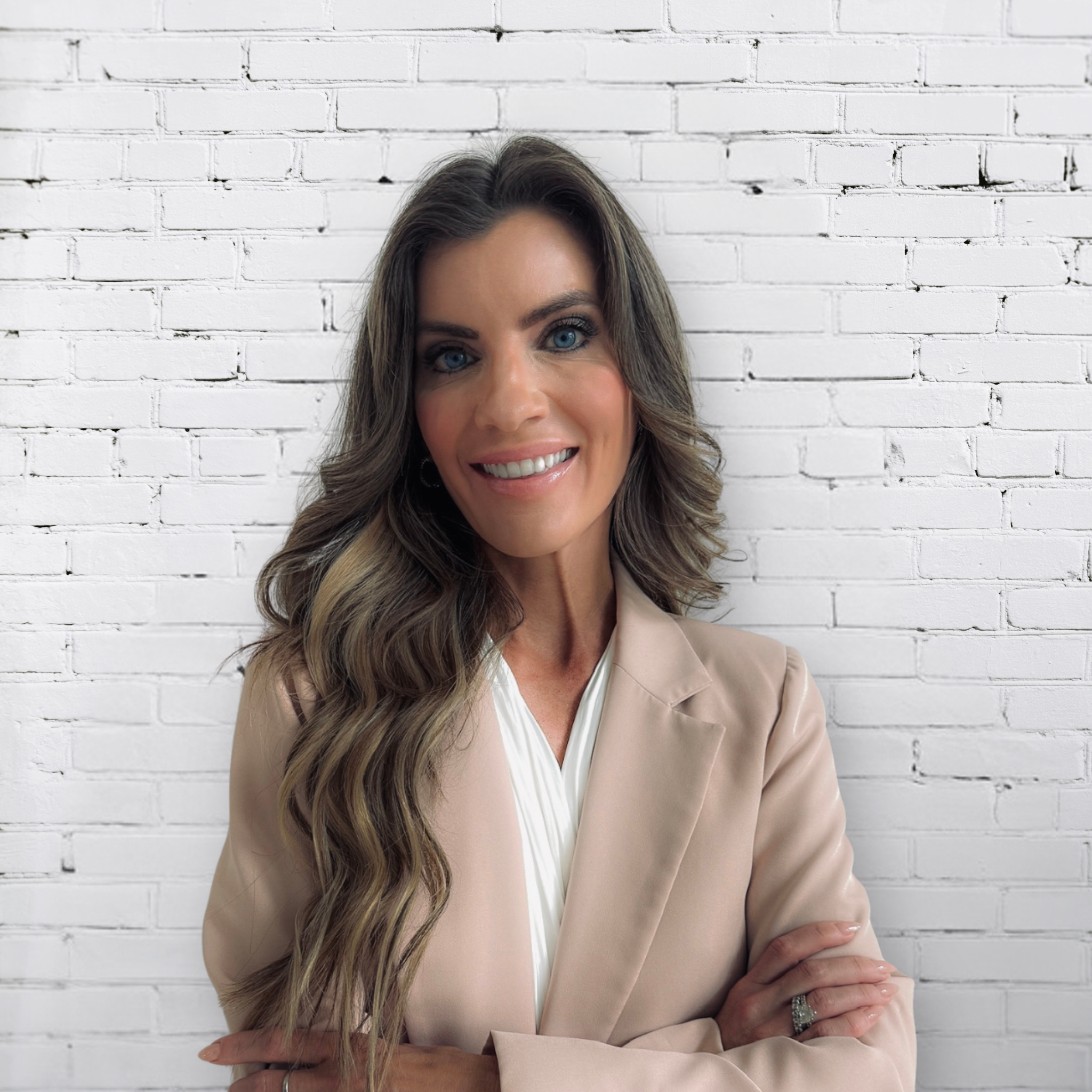
Chelsea helps couples heal from infidelity using EFT and the Gottman Method, with a specialized focus on families where children are part of the picture and the whole system needs support.

One of only two therapists in Florida trained in Lifespan Integration Therapy, Kelly helps individuals and couples heal infidelity trauma at its root, at the level of memory and the nervous system.
Affair Recovery Retreats and Couples Intensives
Some couples cannot afford to wait. When the crisis is acute, when weekly therapy feels too slow, or when you have tried weekly sessions and keep hitting the same wall, a concentrated intensive format can change the trajectory of your recovery.
At It Begins Within, we offer Couples Breakthrough Intensives designed specifically for couples navigating infidelity. These are not retreats in a generic sense, they are structured, clinically guided experiences where you and your partner work with a specialist therapist across extended sessions over one to several days, building momentum that a weekly model simply cannot replicate.
What an Infidelity Recovery Intensive Looks Like
Your intensive is built around where you actually are, not a standard curriculum. Depending on your situation, your therapist will focus on stabilizing the acute crisis, working through disclosure, processing the impact of the betrayal, beginning trust repair, or helping you both arrive at a clear decision about the future of the relationship.
Sessions run longer than traditional therapy, giving you and your therapist the time to go deeper without the forced stop of an hour or 50-minute hour. Many couples describe the intensive format as doing months of work in a matter of days.
Who an Intensive Is Right For
Couples in immediate crisis who need to stabilize quickly
Partners who have been in weekly therapy without meaningful progress
Couples who live outside Tampa Bay and need concentrated care they can travel to
Couples considering separation who want one committed attempt at repair before deciding
Couples who want to fast-track the early stages of recovery and get their footing back
Individual Betrayal Trauma Intensives
Intensives are not only for couples. If you are a betrayed partner carrying symptoms of betrayal trauma such as intrusive thoughts, emotional flooding, hypervigilance, or an inability to move forward, an individual intensive can provide the concentrated therapeutic space to begin real processing outside of the weekly session model.
Marriage Therapy for Infidelity
Therapy for infidelity offers a specialized, clinically-backed approach to help marriages heal from the pain of affairs, rebuild trust, and strengthen their relationship after betrayal. Utilizing methods like the Gottman Trust Revival Method (Atonement, Attunement, Attachment), therapists guide partners through safe disclosure, emotional processing, and communication skill-building, addressing the "why" behind the infidelity with tailored exercises like shared journaling or active listening to prevent future breaches.
With a success rate of up to 60% for couples staying together and rebuilding stronger bonds within 12-24 months, this therapy is particularly effective when both partners are committed and guided by experts trained in infidelity recovery, such as those at It Begins Within.
evidence-based Approach for marriage counseling for infidelity
Using evidence-based approaches like the Gottman Method and Emotionally Focused Therapy (EFT), and Systematic Affair Recovery Therapy (SART) our licensed therapists create a structured path to healing that includes:
Processing the betrayal in a safe, guided space
Learning how to communicate without blame or defensiveness
Re-establishing trust and emotional safety step by step
Exploring forgiveness or closure, whether you choose to stay together or separate
At It Begins Within, we work with couples at every stage, whether you’ve just discovered an affair, are struggling months later, or want to prevent future patterns.
Schedule a confidential consultation to meet with a therapist who specializes in affair recovery in Tampa, St. Petersburg, and Sarasota.
Counseling for the Partner Who Had the Affair

Most unfaithful partners feel a tremendous amount of shame and guilt about their choices. This can lead to symptoms of depression, anxiety, and in severe cases, suicidal thoughts or actions.
The one caught cheating often perceives that they have no room to explain the circumstances surrounding their choices and the dissatisfaction they were feeling. The unfaithful person usually presents to treatment feeling that they must accept the punishment the betrayed partner is dishing out-even if there is no end in sight. Part of therapy involves making space for the unfaithful to feel heard and seen, too. Please know that this does not mean the therapist justifies or excuses the choice to engage in an affair. However, it is important for the therapeutic process, and for the strength of the marriage or relationship, that both partners are able to speak to one another openly and freely.
Why Do Affairs Happen?

There are multiple theories on how and why infidelity occurs and this is not a complete list. Common risk factors include the following:
Cultural norming of the behavior
Incompatibility
Poor communication and conflict resolution skills
Trouble with emotional and/or sexual intimacy
Difference in level of investment and commitment in the relationship
Feeling under-benefited or less than in the relationship
Occupations that involve frequent travel, exposure to trauma, long hours, and unhealthy work environments
The presence of any of the above risk factors does not necessarily mean that an affair will happen and many couples are able to use communication skills and other coping mechanisms to work through these problems in healthy ways.
Couples & Marriage Infidelity Counseling Near You
infidelity therapist in st. petersburg, fl
Our St. Petersburg office is located in the heart of Pinellas County and serves clients from the Old Northeast, Crescent Lake, Kenwood, Gulfport, and across the peninsula. Both in-person and virtual infidelity counseling are available.
St. Pete clients working through infidelity often tell us that finding a therapist who specializes in this specific type of harm — rather than a generalist practice treating it as just another couples problem — made the difference in their ability to move forward. That is exactly what we provide.

infidelity therapist in tampa, fl
Our Tampa office serves individuals and couples across South Tampa, Hyde Park, Davis Islands, Westchase, and the broader Hillsborough County area. In-person infidelity counseling is available at our Tampa location, and virtual sessions are available for clients throughout the Tampa Bay metro who prefer the privacy of working from home.
Many of our Tampa clients come to us during the most difficult weeks of their lives. Our therapists are experienced in working with professionals, couples in long-term marriages, and individuals navigating affairs that have been going on for extended periods of time. We meet you where you are.

infidelity therapist in sarasota, fl
Our Sarasota office supports clients across Downtown Sarasota, Lakewood Ranch, Siesta Key, Palmer Ranch, and the surrounding Sarasota County communities. We provide both in-person and virtual infidelity counseling to meet the needs of clients at every stage of recovery.
Sarasota's community includes many long-established couples and families for whom privacy and discretion matter deeply. Our private-pay model means there is no insurance paper trail and no outside involvement in your care — only the confidential therapeutic relationship you and your therapist build together.
Virtual Infidelity Counseling Across Florida
If you are not near one of our offices, or if you prefer the privacy of working from home, virtual infidelity counseling is available to all Florida residents. We work with clients in Orlando, Jacksonville, Miami, Fort Lauderdale, Naples, Gainesville, and throughout the state.

Frequently Asked Questions About Infidelity Counseling
Can a relationship actually recover after infidelity?
Yes, and many do, though recovery looks different for every couple. Research on couples therapy after infidelity, including studies by Dr. John Gottman and Dr. Sue Johnson, consistently shows that many relationships can survive and even grow stronger after an affair, particularly when both partners are committed to the process and working with a therapist who specializes in this area. That said, recovery is not guaranteed, and some couples discover that honest work together leads to a decision to separate — with less damage and more clarity than they would have found on their own. Our therapists support you through either path.
Should we start couples therapy immediately after discovering an affair?
Not always. In the first days and weeks after disclosure, one or both partners may be in acute crisis which can make joint sessions unproductive or even harmful if the conditions for productive conversation are not yet in place. Many of our therapists recommend that at least one partner begin individual therapy first, and that couples sessions start once both people have enough stabilization to engage without the conversation devolving into harm. Your intake session will help us figure out the right sequence for your situation.
What if only one partner wants counseling?
Individual therapy is still enormously valuable if your partner is not willing to participate. Betrayed partners often need their own space to process the trauma regardless of what the other person does. And for the partner who caused the harm, individual therapy for accountability and self-understanding is often more important than couples work in the early stages. Our therapists work with clients individually even when their partner is not involved.
Can emotional affairs be just as damaging as physical ones?
Often, yes. Emotional affairs involve intimacy, secrecy, and emotional investment that can feel equally or more threatening to the relationship than physical infidelity. Many betrayed partners describe the emotional affair as more devastating because it involved the deliberate withholding of emotional presence from the relationship and redirection of it toward someone else. Our therapists treat emotional affair recovery with the same depth and seriousness as physical infidelity.
How long does infidelity counseling take?
There is no fixed timeline. The acute crisis phase may take anywhere from several weeks to a few months to stabilize. Deeper relational repair, if both partners choose to continue together — typically spans several months to a year or more of ongoing work. Individual betrayal trauma therapy follows its own timeline based on the severity of the symptoms and the person's history. Your therapist will give you a more specific sense of what to expect after your initial sessions.
What if I am not sure whether I want to stay in the relationship?
That uncertainty is one of the most common reasons people come to us. You do not have to have made any decisions before starting therapy. In fact, one of the functions of early-stage infidelity counseling is to help you arrive at more clarity — not to push you in any particular direction, but to give you the space and professional support to understand what you actually want and what is possible. Our therapists hold the uncertainty with you rather than trying to resolve it prematurely.
What should I do immediately after discovering an affair?
In the first hours and days, the goal is stabilization, not decisions. Try to avoid making permanent choices about the relationship while you are in acute crisis, and focus instead on getting through each day with as much support as possible. Reach out to a trusted person, protect your sleep and basic needs where you can, and consider beginning individual therapy so that you have a private space to process the shock. You do not have to know what you want yet. You only have to get to steadier ground first.
How much detail should be shared after infidelity?
This is one of the most delicate questions in affair recovery, and the answer is not the same for every couple. Betrayed partners often need enough truth to stop the questions that keep them awake, while graphic detail can deepen the trauma rather than resolve it. Our therapists guide what is often called formal disclosure, a structured process where information is shared in a way that supports healing rather than retraumatizing. Doing this with professional guidance, rather than through interrogation or a slow drip of new revelations, protects both partners.
What boundaries should couples set after an affair?
Rebuilding trust usually requires new agreements about transparency, contact with the affair partner, and how each person will handle the hard moments that come up. Effective boundaries are specific, mutually understood, and focused on rebuilding safety rather than on surveillance or punishment. Your therapist helps you create boundaries that actually reduce anxiety and rebuild trust over time, and helps you distinguish between a boundary that supports healing and a rule that quietly keeps the relationship stuck in the crisis.
Can therapy help if we have children and are unsure whether to stay together?
Yes. Many couples come to us precisely because children are part of the picture and the decision feels heavier because of it. Therapy does not push you toward staying or leaving. It gives you a supported space to make a clear decision rather than a reactive one. Whatever you decide, the goal is to protect your children from as much additional harm as possible.
Can one partner start infidelity counseling alone?
Yes, and often that is exactly where the work begins. Individual counseling is valuable whether your partner is not yet ready, not willing, or simply not the right starting point. Betrayed partners frequently need their own space to process the trauma, and partners who had the affair often need individual accountability work before joint sessions can be productive. Starting alone is not a lesser path. For many people it is the necessary first step.
Can infidelity counseling help rebuild physical intimacy?
Yes. Physical and sexual disconnection is one of the most common and painful consequences of an affair, and it is a treatable one. Rebuilding physical intimacy after betrayal takes time and usually cannot be rushed, because the body often needs to feel emotionally safe again before it can feel close again. Our therapists help partners rebuild both emotional and physical closeness at a pace that respects where each of you actually is.

Take the First Step In Healing From Infidelity
You do not have to navigate this alone — and you do not have to do it with a therapist who has never worked deeply with infidelity before. It Begins Within therapists specialize in this work. We understand what you are going through, and we are prepared to help you move through it in whatever direction is right for you.