

Sports Performance Therapy & Mental Performance Coaching in Tampa, St. Petersburg & Sarasota
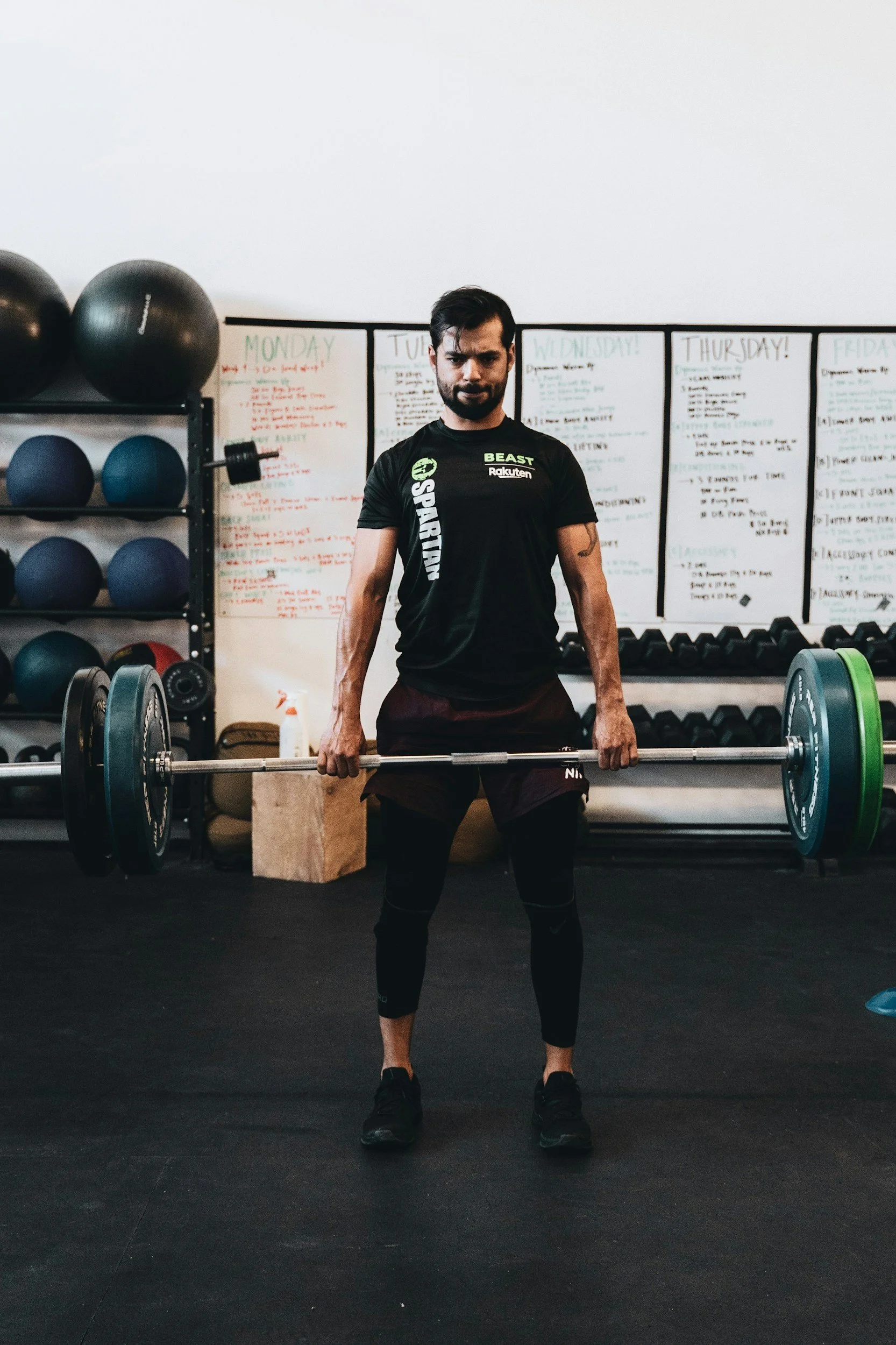
Talent and physical preparation are only part of athletic performance. Pressure, self-doubt, perfectionism, anxiety, injuries, expectations, and the fear of making mistakes can affect what an athlete is able to access when competition begins.
At It Begins Within, our licensed mental health clinicians provide sports performance therapy and mental performance counseling for youth, college, adult, and professional athletes across Tampa, St. Petersburg, and Sarasota. We help athletes strengthen focus, confidence, emotional regulation, and their response to competitive pressure while addressing underlying mental health concerns when they are part of the problem.
Our sports performance services are provided by Florida-licensed mental health clinicians with training and experience working with athletes. We do not represent our clinicians as licensed sports psychologists.
What Is Sports Performance Therapy?
Sports performance therapy addresses the mental and emotional factors that affect how an athlete trains, competes, responds to setbacks, and experiences their sport.
For some athletes, the goal is primarily performance-focused. They may want to develop a consistent pre-competition routine, improve concentration, recover more quickly after mistakes, strengthen confidence, or learn how to perform effectively while experiencing pressure.
For others, the performance problem overlaps with a broader mental health concern. Anxiety may appear both before competition and at school. Perfectionism may affect athletics, academics, and relationships. ADHD may make it difficult to regulate attention during competition. An injury may create fear that persists even after an athlete has been medically cleared to return.
Because our sports performance clinicians are licensed mental health professionals, we can address performance goals while also treating mental health concerns that fall within the clinician’s scope of practice.
Depending on the athlete, treatment may incorporate approaches such as Cognitive Behavioral Therapy, Acceptance and Commitment Therapy, mindfulness, attentional strategies, visualization, goal setting, pre-performance routines, and work with self-talk.
Sports Performance Therapy for Youth and Teen Athletes
Young athletes are learning much more than the physical skills of their sport. They are also learning how to respond to mistakes, receive coaching, manage expectations, compete under pressure, and separate their identity from the outcome of a game.
Sports performance therapy for young athletes help them develop practical skills for competition, including pre-performance routines, more effective self-talk, attentional control, emotional regulation, and strategies for recovering after mistakes.
Parents are an important part of this process. Depending on the athlete’s age and needs, we may include parent check-ins or family sessions to help parents understand what their child is practicing and create a home environment that supports development without unintentionally increasing performance pressure.
Working with a licensed clinician is particularly useful when what appears to be a sports problem also involves anxiety, perfectionism, ADHD, low mood, family stress, or difficulties that extend beyond athletics.
The goal is not to remove every uncomfortable feeling before competition. It is to help young athletes develop the skills to compete, learn, and grow even when pressure is present.
Mental Performance Coach or Sports Psychologist: What Is the Difference?
A mental performance coach typically helps athletes develop skills such as focus, confidence, goal setting, pre-competition routines, visualization, and self-talk. Mental performance coaching is distinct from mental health treatment, and the title alone does not tell you whether a provider holds a mental health license.
A psychologist is a doctoral-level professional who holds a psychology license. In Florida, “psychologist” is a protected professional title.
There is also a third category: licensed mental health clinicians who have additional training and experience working with athletes and performance concerns. That is the model used at It Begins Within.
Our sports performance clinicians are licensed mental health professionals. This allows us to work on performance-focused skills while also recognizing and treating concerns such as anxiety, depression, ADHD, perfectionism, trauma, or burnout when they fall within the clinician’s scope of practice.
The appropriate provider depends on what the athlete needs. A performance-skills concern may require a different approach from a clinical mental health condition, and sometimes the two overlap.
How Sports Performance Therapy at IBW Is Different
Licensed Mental Health Care + Performance Work
Athletes are people first. A confidence problem may be limited to competition, or it may be connected to anxiety, perfectionism, ADHD, depression, trauma, family stress, or another concern affecting life outside the sport.
Our licensed clinicians can integrate mental health treatment with performance-focused work when appropriate, allowing treatment to address the athlete rather than treating every difficulty as a problem of motivation or mental toughness.
Family and Coach Involvement
Youth sports take place within a larger system of parents, coaches, teammates, school, and family expectations. With appropriate consent and attention to confidentiality, treatment may include parent check-ins, family work, or collaboration with coaches when doing so supports the athlete’s goals.
We also help parents understand how communication, expectations, responses to mistakes, and conversations before and after competition can influence a young athlete’s experience.
Individualized, Evidence-Based Treatment
There is no single mental strategy that works for every athlete. Treatment is individualized based on the athlete’s age, sport, competitive level, presenting concerns, personality, and goals.
Depending on the athlete, clinicians may draw from evidence-based psychotherapy approaches alongside performance-focused strategies such as mindfulness, visualization, attentional control, goal setting, pre-performance routines, and work with self-talk.
Support Through Injury and Transition
An athlete’s needs can change throughout a season and across their competitive career. Injury, recruitment, changes in playing time, transitions between competitive levels, and eventually stepping away from a sport can create challenges that extend beyond performance itself.
Therapy provides a place to address both the immediate challenge and the athlete’s broader emotional well-being during those transitions.
Clinical Hypnotherapy for Sports Performance
When an athlete performs a skill comfortably in practice but struggles to access that same movement or confidence in competition, the problem may involve more than physical technique. Pressure, attention, expectation, anxiety, and learned responses to previous experiences can all influence how an athlete responds in the moment.
Clinical hypnotherapy is one tool that may be incorporated into sports performance therapy when it is appropriate for the athlete and their treatment goals. Hypnosis involves a state of focused attention in which a clinician can use imagery, suggestion, and other therapeutic strategies to help an athlete work with thoughts, emotions, expectations, and automatic responses that may be interfering with performance.
Mental Blocks and Performance Anxiety
Athletes sometimes describe knowing exactly what they want their body to do while feeling unable to execute the movement naturally under pressure. A golfer may become preoccupied with a particular part of the swing. A basketball player may feel increasingly tense at the free-throw line. An athlete returning from injury may hesitate during a movement they have already been medically cleared to perform.
These experiences can have different causes, and they should not automatically be assumed to be psychological. When physical or technical concerns may be contributing, athletes should continue working with the appropriate medical, rehabilitation, coaching, or other professionals.
When anxiety, fear, attention, or learned responses to pressure appear to be part of the problem, hypnotherapy may be used alongside other therapeutic and mental performance strategies to help the athlete develop a different relationship with those experiences.
Using Imagery and Focused Attention
Imagery is already familiar to many athletes. They may mentally rehearse a golf shot, visualize a routine before competition, or picture themselves responding effectively to a difficult situation.
Hypnotherapy can build on this process through structured, focused attention. Depending on the athlete's goals, a clinician may use imagery and therapeutic suggestion to rehearse adaptive responses to pressure, strengthen attentional cues, increase awareness of unhelpful patterns, or practice responding differently to situations that have become associated with anxiety or hesitation.
The goal is not to place an athlete into a trance where they lose control. During clinical hypnosis, the athlete remains an active participant in the process and can respond, communicate, and choose whether to engage with therapeutic suggestions.
Integrating Hypnotherapy With Sports Performance Therapy
Hypnotherapy is not a replacement for physical training, coaching, medical treatment, or rehabilitation. It is also not necessary for every athlete who seeks sports performance therapy.
When clinically appropriate, it can be integrated with approaches such as Cognitive Behavioral Therapy, Acceptance and Commitment Therapy, mindfulness, exposure-based strategies, imagery, attentional training, and individualized mental performance work.
This can be particularly relevant when an athlete is experiencing performance anxiety, fear following an injury, persistent mental blocks, difficulty trusting a previously automatic skill, or patterns of thought and attention that become more disruptive as competitive pressure increases.
At It Begins Within, clinical hypnotherapy is provided within the scope of licensed mental health treatment and is incorporated only when it is appropriate for the athlete's presenting concerns and treatment goals.
If you are interested in learning more about how hypnosis is used within mental health treatment, read about our clinical hypnotherapy services in Tampa, St. Petersburg, and Sarasota.
Meet Our Sports Performance Team

Melissa Zentner, LMHC
Melissa Zentner, LMHC is a former Division I athlete who specializes in sports performance counseling and mental performance work for adolescent and teenage girls. She works closely with volleyball and softball athletes to build confidence, manage performance anxiety, strengthen focus, and develop mental skills both on and off the field. Melissa blends high-level athletic experience with evidence-based clinical and mental performance strategies to help young athletes respond effectively under pressure.

Andreas balasis, LCSW
Andreas Balasis, LCSW provides sports performance therapy and mental performance coaching for teens and adults competing in precision and high-intensity sports, with a focus on golf and combat sports. An MPM-certified clinician, he integrates clinical hypnotherapy and evidence-based mental performance strategies to help athletes improve focus, emotional regulation, and consistency while navigating performance pressure, mental blocks, competition stress, and setbacks.

paris mcdonald, lMHC
Paris McDonald, LMHC is a former athlete and military veteran who works with athletes to build mental resilience and navigate setbacks, injuries, and performance challenges. She works with athletes across sports to strengthen mindset, manage stress, and develop adaptability under pressure. Paris brings a disciplined, resilience-focused approach to sports performance counseling that supports athletes in staying grounded, focused, and mentally strong through adversity.

Ellie Smith, Mental Performance Intern
Ellie Smith is a Mental Performance Intern who works with athletes and performers to strengthen confidence, focus, resilience, and consistency under pressure. An athlete and performer herself, Ellie has a particular interest in injury recovery and return-to-play, informed by her own experience recovering from ACL injuries in both knees. She is pursuing a master’s degree in Applied Physiology and Kinesiology and is currently working toward the Certified Mental Performance Consultant (CMPC) credential.
Who We Serve
-

Youth and Teen Athletes
Support for young athletes navigating performance anxiety, confidence, perfectionism, mistakes, coachability, team dynamics, and the increasing demands of competitive sports.
-

College and Adult Athletes
Individual therapy and performance-focused work for athletes balancing competition with academics, careers, relationships, injury, identity, and life outside their sport.
-

Parents and Coaches
Consultation, education, and workshops designed to help adults create environments that support healthy development, communication, resilience, and sustainable performance.
Athletes and Sports We Work With
The mental side of performance looks different across sports. A golfer has time to think between shots. A point guard has almost none. A gymnast must commit to a movement despite its consequences, while a distance runner may spend an entire race managing discomfort and internal dialogue.
We work with youth, club, travel, high school, college, adult, and professional athletes. Rather than applying the same mental skills to every sport, we consider the specific demands of the athlete’s competitive environment.
Golf and Precision Sports
Golf, archery, bowling, billiards, shooting sports, and other precision sports leave athletes with considerable time between moments of execution. That time can become an advantage or an invitation to overthink. Work may focus on pre-performance routines, committing to decisions, directing attention, responding to poor outcomes, and allowing well-developed movements to occur without excessive conscious control.
Baseball and Softball
Baseball and softball demand comfort with failure and uncertainty. A hitter can execute a good process without getting the desired result, while pitchers and fielders must recover quickly from mistakes they cannot undo. Mental performance work can emphasize pre-pitch and pre-at-bat routines, handling slumps, resetting after errors, and maintaining confidence when results fluctuate.
Soccer, Football, Basketball, Lacrosse, Hockey, and Field Hockey
These fast-moving team sports demand rapid decisions while athletes simultaneously track teammates, opponents, coaching instructions, and changing game situations. The mental work often centers on playing decisively, communicating effectively, regulating competitive intensity, adapting to changing roles or playing time, and recovering quickly enough that one mistake does not affect the next possession or play.
Volleyball and Racquet Sports
Volleyball, beach volleyball, tennis, pickleball, badminton, squash, and racquetball repeatedly alternate between action and brief opportunities to reset. Momentum can shift quickly, making the response to the previous point particularly important. Athletes can develop between-point routines and strategies for managing self-talk, momentum, frustration, and the temptation to carry one mistake into the next exchange.
Swimming, Track, Cross Country, and Endurance Sports
Swimming, track and field, cross country, cycling, triathlon, rowing, and other endurance sports can turn the athlete’s attention inward for extended periods. Pacing, fatigue, discomfort, expectations, and internal dialogue become part of the competitive environment. Work may involve directing attention intentionally, responding to discomfort, managing race-day expectations, and maintaining motivation through demanding training cycles.
Gymnastics, Cheer, Dance, and Performing Arts
Gymnastics, cheerleading, dance, figure skating, diving, and other technical or judged disciplines combine athletic execution with evaluation and public performance. Perfectionism, comparison, body awareness, and fear of mistakes can become particularly influential. Mental performance work may incorporate imagery, performance routines, attentional cues, and strategies for trusting highly practiced skills when the stakes feel higher.
Ninja and Obstacle Course Racing
Ninja and obstacle course racing combine strength, movement, problem-solving, and uncertainty. In Ninja competition, including the style of obstacle competition popularized by Ninja Warrior, athletes may encounter obstacles or sequences that require rapid adaptation and decisive commitment. Work can focus on course visualization, responding to unfamiliar challenges, managing hesitation, and rebuilding trust after a fall, failed obstacle, or injury.
Combat Sports and Martial Arts
Boxing, wrestling, Brazilian jiu-jitsu, mixed martial arts, kickboxing, karate, taekwondo, judo, and other combat sports require athletes to remain composed while another competitor is actively trying to disrupt their plan. The goal is not simply to become more intense. Athletes may work on regulating arousal, staying tactically present under pressure, responding to adversity during competition, and using aggression without allowing emotion to override decision-making.
Strength, Power, and Fitness Sports
Weightlifting, powerlifting, CrossFit, bodybuilding, strongman, and related sports often involve long preparation periods leading to relatively brief opportunities to perform. Missed lifts, comparison, body image, training plateaus, and expectations around measurable progress can carry significant psychological weight. Work may focus on approaching attempts decisively, responding to misses, maintaining perspective during training cycles, and separating self-evaluation from a number on the board.
Injury Recovery and Return to Sport
Across every sport, physical clearance and psychological readiness do not always arrive at the same time. An athlete may be medically ready to return while still hesitating, protecting the previously injured area, or struggling to trust movements that once felt automatic. Sports performance therapy can address fear of re-injury, confidence, and return-to-play concerns alongside appropriate medical care, rehabilitation, and coaching.
Athletes at Every Competitive Level
These challenges are not exclusive to elite athletes. We work with recreational, club, travel, high school, college, adult, and advanced athletes, as well as performers facing similar demands around preparation, evaluation, pressure, and consistency.
If your sport is not listed here, that does not mean it falls outside our work. During a complimentary consultation, we can learn more about you or your athlete, the demands of the sport, and what is getting in the way.
Sports Performance Services
-
Individual sessions can address performance anxiety, confidence, focus, perfectionism, motivation, emotional regulation, injury-related concerns, mental blocks, and other factors affecting performance and well-being.
-
We help parents and coaches better understand the mental and emotional demands athletes experience and develop communication strategies that support development, resilience, and a healthier competitive environment.
-
Workshops can be tailored to topics such as pre-competition preparation, communication, responding to mistakes, team cohesion, mental skills, stress management, and healthy approaches to competitive pressure.
Areas We Support

Confidence
Developing a more stable sense of confidence that is not entirely dependent on the most recent result.
coachability
Our training focuses on improving athletes' ability to take constructive feedback, adapt to coaching styles, and continuously grow.
performing under pressure
Building skills for staying present and responding effectively when competitive pressure increases.
Motivation
Exploring values, goals, habits, and the relationship between intrinsic motivation and external expectations.
Responding to Mistakes
We equip athletes with the tools to bounce back from setbacks, stay mentally tough, and maintain a positive outlook through challenges.
Mental Blocks
Understanding the thoughts, emotions, expectations, and learned responses that may be interfering with performance.
Managing Aggression
Developing emotional regulation strategies that help athletes use competitive intensity without allowing it to interfere with judgment or performance.
Perfectionism
Helping athletes pursue high standards while developing a healthier response to mistakes, uncertainty, and outcomes they cannot completely control.
Sports Performance Therapy in Florida
Sports Performance Therapy in St. Petersburg, Largo & Clearwater
Our St. Petersburg office provides sports performance therapy for athletes and families throughout Pinellas County, including Largo, Clearwater, Gulfport, Seminole, and surrounding communities. Treatment may address performance anxiety, confidence, focus, perfectionism, injury-related concerns, mental blocks, and other challenges affecting athletic performance or emotional well-being.

Youth sports performance therapy in tampa
Our Tampa office near Westshore provides sports performance therapy for youth, teen, college, and adult athletes throughout Tampa, South Tampa, Carrollwood, Brandon, Riverview, and surrounding Hillsborough County communities. Our licensed clinicians integrate mental health treatment and performance-focused strategies based on each athlete’s needs and goals.

Sports Performance Therapy in Sarasota, Lakewood Ranch & Venice
It Begins Within provides sports performance therapy in Sarasota at 5939 Approach Rd for athletes and families throughout Sarasota, Lakewood Ranch, Venice, Siesta Key, Palmer Ranch, Bradenton, and surrounding communities. We work with athletes experiencing performance anxiety, confidence concerns, perfectionism, mental blocks, competition pressure, injuries, and other challenges affecting their sport or emotional well-being.

Frequently Asked Questions About Sports Performance Therapy, Sports Psychology, & Mental Performance Coaching
-
Sports performance therapy addresses the mental and emotional factors that affect training and competition. Depending on the athlete, sessions may focus on performance anxiety, confidence, perfectionism, emotional regulation, focus, mental blocks, injury recovery, or responding to mistakes and setbacks. At It Begins Within, this work is provided by licensed mental health clinicians with training and experience working with athletes.
-
A psychologist is a doctoral-level professional who holds a psychology license. Mental performance coaches generally focus on skills such as confidence, focus, routines, visualization, goal setting, and self-talk, although their credentials can vary.
At It Begins Within, our licensed clinicians provide sports performance therapy and mental performance counseling rather than representing themselves as sports psychologists. This allows us to address performance concerns while also treating mental health conditions within each clinician’s professional scope of practice.
-
It depends on what is getting in the way. An athlete who primarily wants to improve routines, concentration, or other mental skills may benefit from qualified mental performance coaching. A licensed clinician may be particularly appropriate when performance concerns overlap with anxiety, perfectionism, ADHD, depression, burnout, significant emotional distress, or difficulties outside the sport.
If you are unsure, a complimentary consultation can help determine which type of support may be appropriate.
-
These concerns can involve attention, anxiety, expectations, confidence, learned responses, technique, and other factors. When psychological factors are contributing, therapy may address attentional control, fear, self-talk, performance routines, and the athlete’s response to pressure. Clinical hypnotherapy may also be incorporated when appropriate.
Physical, neurological, technical, or injury-related concerns should be evaluated by the appropriate professionals rather than automatically assuming the problem is psychological.
-
Yes. An athlete may be medically cleared to return while still experiencing fear of re-injury, hesitation, reduced confidence, or difficulty trusting their body. Sports performance therapy can address the psychological side of injury recovery and return to competition alongside appropriate medical care, physical therapy, rehabilitation, and coaching.
-
Yes. We work with youth and teen athletes across recreational, club, travel, school, and competitive sports. Sessions may address confidence, performance anxiety, perfectionism, emotional regulation, responding to mistakes, injury recovery, focus, and other concerns affecting the athlete’s experience.
Parent involvement is individualized based on the athlete’s age and needs. With appropriate consent, treatment may also include collaboration with coaches or other professionals supporting the athlete.
-
It Begins Within provides in-person sports performance therapy in Tampa, St. Petersburg, and Sarasota, serving athletes and families throughout the surrounding Tampa Bay and Sarasota communities. Telehealth is also available to appropriate clients located in Florida.
We work with athletes across many sports and competitive levels, from recreational and youth athletes through college, adult, and advanced competitors.
-
Consider reaching out when performance anxiety, confidence, overthinking, perfectionism, mental blocks, injury recovery, difficulty responding to mistakes, or another concern is interfering with an athlete’s performance or experience of their sport.
You do not need to determine beforehand whether the issue is “mental performance” or “mental health.” During a complimentary consultation, we can learn more about what is happening and help determine whether our sports performance services are an appropriate fit.
Learn more about our Tampa Therapy Services

Build the Mental Side of Your Performance
Whether the challenge is performance anxiety, confidence, focus, perfectionism, a mental block, injury recovery, or the pressure of competition, our licensed sports performance clinicians can help you determine the appropriate next step.
Book a complimentary consultation for sports performance therapy in Tampa, St. Petersburg, or Sarasota.