

EMDR Therapy in Tampa & St. Petersburg

Trauma doesn't always announce itself with flashbacks or nightmares. Sometimes it's the panic that floods your body when something reminds you of what happened. Sometimes it's the anxiety that makes no logical sense but won't go away. Sometimes it's just feeling stuck, knowing something from your past is controlling your present. You may have even tried talk therapy, but it hasn't been enough.
EMDR therapy works differently. Instead of spending years talking about your trauma, EMDR helps your brain reprocess the memories that are keeping you trapped. It's an evidence-based approach that allows you to move through what happened without reliving it over and over again.
What is EMDR Therapy?
Eye Movement Desensitization and Reprocessing (EMDR) is a specialized form of therapy developed to help individuals process traumatic memories and reduce it’s emotional charge. Rather than focusing solely on talk therapy, EMDR uses bilateral stimulation (through eye movements or tapping) to help the brain reprocess distressing events safely.
At IBW, EMDR therapy is:
Evidence-based and properly structured
Highly effective for trauma, anxiety, and PTSD
Guided by highly trained, specialized clinicians
Available both in-person and virtually across Florida
Understanding Eye Movement Desensitization and Reprocessing (EMDR)
EMDR counseling is a powerful tool for addressing trauma, but preparation is critical for both success and limiting potential negative effects. Before starting EMDR, often several sessions are dedicated to understanding your unique situation, establishing rapport, and ensuring you feel safe and supported. This preparation allows your therapist to develop a tailored approach to guide you effectively. If you’re interested in learning more about how it works, we recommend reading our guide to EMDR therapy.
EMDR Therapy Techniques & Process
Your therapist will work with you to create a safe and supportive environment, ensuring that you feel comfortable and in control throughout the therapy process. They will also help you develop coping skills and strategies to manage symptoms, making the therapy journey a collaborative and empowering experience.
How many EMDR therapy sessions are needed?
For a single distressing event or memory, research has shown EMDR to be effective in as few as three 90-minute sessions, with 84% to 90% of single-trauma clients no longer meeting criteria for PTSD. For complex and multi-event traumas, EMDR typically takes more sessions. One study found 77% of combat veterans were free of PTSD after 12 sessions. Your therapist will be able to give you a personalized timeline after your initial assessment.
The Phases of EMDR Treatment
EMDR Therapy follows a few basic steps:
Recall, Bilateral Stimulation, Processing, and Healing
8 Phases of EMDR
History taking, preparation, assessment, desensitization, installation, body scan, closure, and reevaluation
How EMDR Therapy Helps Reprocess Trauma
EMDR counseling helps individuals process and heal from traumatic memories through a structured process. First, the client recalls the troubling memory while the therapist uses eye movements, sounds, or taps for bilateral stimulation. This approach enables the brain to reprocess the memory through adaptive information processing, reducing its emotional impact. As the memory is processed, clients may experience physical sensations tied to unresolved distress, but over time, the memory becomes less painful, promoting healing and emotional relief. This trauma-informed method ensures sensitivity to the client’s mental health throughout the process.
Licensed EMDR Therapists in Tampa & St. Petersburg

Roberta Bruni, LCSW
Roberta is a licensed therapist in St. Petersburg with more than 25 years of experience and EMDRIA-approved EMDR training. She pairs EMDR with Accelerated Resolution Therapy to treat PTSD, complex trauma, and the trauma that so often drives addiction.

Dr. Alex Castañeda, LMHC
Alex is a licensed therapist in Tampa specializing in EMDR therapy for men, with a focus on addiction recovery and the unresolved trauma that drives it. Using EMDR, Alex helps men identify and reprocess the root experiences fueling compulsive behaviors and emotional shutdown.

Emma Groskind, lcsw
Emma is a Certified EMDR Therapist through the EMDR International Association (EMDRIA) and a licensed clinical social worker in Tampa, specializing in anxiety, panic, and trauma-focused couples therapy.

Jessica Klein, LMHC
Jessica is a licensed counselor in St. Petersburg offering EMDR therapy for adults navigating depression, grief, and childhood trauma. Jessica works with clients who feel stuck in patterns they can't explain, such as emotional numbness, difficulty trusting others, or a sense that something from the past is still running their life.

Amanda Farris, LCSW-QS
Amanda is a trauma therapist in St. Petersburg specializing in somatic therapy and EMDR therapy for PTSD, complex trauma, and trauma stored in the body. Amanda integrates EMDR with attachment-based approaches to help clients build nervous system regulation and lasting resilience.
EMDR Therapy for Specific Types of Trauma in Tampa & St. Petersburg
EMDR is a form of bilateral stimulation, and an approach to trauma therapy that helps individuals with different kinds of problems that come from bad or upsetting experiences. EMDR therapy is used to help people with different kinds of problems that come from bad or upsetting experiences. Here are some common issues that EMDR therapists can help with:
Trauma and PTSD - It’s often used to treat people who have been through scary or traumatic events, like accidents, natural disasters, or abuse. This includes addressing psychological trauma.
Anxiety and Panic -EMDR processing can be a powerful healing treatment for people who suffer from anxiety.
Phobias - People who live with fear of specific things, like heights or spiders, can get help healing from EMDR.
Single-incident trauma — such as a car accident, medical emergency, assault, or sudden loss, often responds quickly to EMDR. The memory is typically contained, with a clear emotional charge that bilateral stimulation can target and reduce within a focused course of treatment.
Grief and Loss - EMDR is used to support people who are having a hard time dealing with the death or loss of a loved one.
Self-Esteem Issues - It can also help people who have negative beliefs about themselves and low self-esteem.
Couples Therapy for Trauma - When traumatic events impact relationships, EMDR can be integrated into couples therapy to help partners heal together. We work with couples where one or both partners have experienced trauma, infidelity, betrayal, or other relational wounds that require trauma-informed care.
Pornography Addiction- EMDR has shown promising results in treating compulsive pornography use by addressing the underlying shame, trauma, or emotional triggers that fuel addictive patterns.
Is EMDR Therapy Effective for PTSD and Anxiety

EMDR is a highly effective therapy for many people, particularly for treating trauma and PTSD. Studies show that it provides quick relief, with long-lasting effects after just a few sessions. Widely used by therapists globally, EMDR receives positive feedback for significantly improving emotional well-being and helping individuals cope better with their issues.
A trauma therapist plays a crucial role in guiding clients through the emotional processing of traumatic experiences, providing psychoeducation on EMDR, and developing tailored therapy plans.
There is a substantial body of research supporting the effectiveness of EMDR, including numerous clinical trials. Here are some key studies and findings:
American Psychiatric Association (APA): The APA recognizes EMDR therapy as an evidence-based treatment for PTSD. Their practice guidelines recommend EMDR as an effective treatment for trauma.
Randomized Controlled Trials (RCTs):
van der Kolk et al. (2007): This study compared EMDR with other forms of therapy and found that EMDR significantly reduced PTSD symptoms in a shorter time frame.
Lee and Cuijpers (2013): A meta-analysis of 26 RCTs found that EMDR was highly effective in treating PTSD, results found that the eye movements used in EMDR add a meaningful effect beyond exposure alone.
Veterans Affairs and Department of Defense (VA/DoD): Their clinical practice guidelines for PTSD recommend EMDR as a strong option for treatment based on extensive research and clinical evidence. Learn more.
EMDR Therapy for children & Adolescents
Children and teens often express trauma and stress through behavior—like anger, anxiety, or withdrawal—rather than words. EMDR therapy provides a gentle, age-appropriate way to help them process difficult experiences and restore a sense of safety and confidence.
Our therapists utilize EMDR and play-based interventions designed specifically for youth. Whether your child is coping with bullying, parental conflict, loss, or academic pressure, EMDR helps reprocess overwhelming memories so they no longer trigger distress. Parents often notice their child becoming calmer, more resilient, and better able to manage big emotions.
Complex Trauma & C-PTSD
Complex trauma and C-PTSD present differently. When trauma has occurred repeatedly over time, through childhood neglect or abuse, domestic violence, chronic medical illness, or prolonged workplace harm, the nervous system learns to operate in a state of persistent threat. Our therapists approach complex trauma with an extended stabilization phase before any memory processing begins, ensuring that you have the internal resources needed to move through material safely and at a pace that supports genuine healing rather than retraumatization.
Is EMDR therapy safe for complex PTSD?
Yes, EMDR is one of the most well-researched and widely recommended treatments for complex PTSD, and it can be conducted safely with clients carrying significant trauma histories when proper preparation protocols are followed. At It Begins Within, our therapists extend the stabilization phase for clients with C-PTSD, prioritizing nervous system regulation and internal resource development before any memory processing begins. The goal is to ensure you have sufficient capacity to move through distressing material without becoming overwhelmed. This preparatory work takes as long as it needs to — rushing it is never in your clinical interest, and our therapists will not do so.
Couples EMDR Therapy
While EMDR is most widely known for treating trauma and anxiety, it’s becoming one of the most powerful tools for helping couples heal from relationship wounds and emotional disconnection. At It Begins Within, our therapists are among the few in Florida trained to integrate EMDR into couples and marriage therapy, helping partners process past hurts, rebuild trust, and feel safe with one another again.
EMDR for couples works by addressing the individual triggers and attachment injuries that keep partners stuck in painful cycles. Rather than focusing only on communication techniques, EMDR helps each partner release the deeper emotional charge behind their reactions creating space for empathy, understanding, and genuine repair.
Our team uses EMDR in combination with research-based approaches like Gottman Method and Emotionally Focused Therapy (EFT) to guide couples toward renewed closeness and lasting change. Whether you’re recovering from betrayal, resentment, or years of disconnection, EMDR can help you move beyond old patterns and rediscover emotional safety within your relationship.
How EMDR is Used in Couples Therapy
Relational trauma, including emotional abuse, infidelity, and betrayal by trusted figures, often activates the attachment system in ways that standard CBT cannot fully address. EMDR helps clients process the specific memories and moments that constitute relational wounds, reducing their emotional charge and creating space for healthier patterns to develop over time.
Some experiences fracture a relationship at its foundation, from the loss of a child, a traumatic accident, or even uncovering infidelity. Even when both partners lived through a trauma, they often process it differently, leaving each person isolated in their pain and unable to connect with the one person who should understand.
Traditional couples therapy can help you communicate about the trauma, but it doesn't always resolve the trauma itself. EMDR for couples allows both partners to process the traumatic memory and release the emotional charge that keeps you stuck. When the nervous system finally registers that the threat is over, couples can stop reacting from a place of survival and start supporting each other from a place of safety.
At It Begins Within, we use EMDR in couples therapy to help partners process shared traumatic experiences—whether that's the loss of a pregnancy, a betrayal that shattered trust, a life-threatening health event, or years of unresolved grief. By addressing the trauma in both partners simultaneously, we help couples move from parallel suffering to genuine healing together.
Healing Through Intensive couples Therapy
EMDR's ability to process trauma rapidly makes it uniquely suited for intensive therapy formats. Rather than spreading treatment across months of weekly sessions, EMDR allows for concentrated healing, making it a cornerstone of our intensive therapy programs.
For individuals, EMDR intensives can target specific traumatic events, chronic anxiety, or deeply rooted patterns in a matter of days rather than years. For couples integrating EMDR into relationship intensives means each partner can process their individual triggers and attachment wounds while simultaneously working on the relationship itself. This dual approach creates faster, more sustainable change than traditional weekly therapy.
Whether you're dealing with personal trauma that's affecting your life and relationships, or you're a couple caught in cycles of reactivity and disconnection, EMDR within an intensive format offers the focused time and clinical expertise needed for genuine transformation.
Who Can Benefit from EMDR
EMDR therapy is a versatile treatment approach that can benefit individuals from diverse backgrounds and with various mental health concerns. While initially developed to address post-traumatic stress disorder (PTSD) symptoms, EMDR has been found to be effective in treating a wide range of conditions, including anxiety and depression, distressing memories and flashbacks, panic attacks, and phobias. It is also beneficial for those dealing with complicated grief and loss, performance anxiety, and stress reduction.
Individuals who have experienced past traumas, such as physical or emotional abuse, neglect, or natural disasters, can find significant relief through EMDR therapy. Additionally, it can address attachment issues, self-esteem problems, and relationship difficulties. By helping to reprocess and integrate these distressing memories, EMDR therapy paves the way for improved mental health and emotional well-being.

Bilateral Stimulation in Tampa & St. Petersburg
Here at It Begins Within, we offer standard EMDR therapy sessions. All of our standard sessions are 60 minutes (not a “clinical hour” of 45-50 minutes). Due to the nature of EMDR, it can temporarily bring up more intense pain throughout the healing process. As a result of this, we also offer EMDR Intensives, which allow more to be accomplished and potentially limit the worsening of negative emotions outside of sessions. This intensive therapy has been a sought-after approach for many individuals we work with who are leaders in the community and have limited availability but understand the importance of overcoming their negative thoughts, feelings, and emotions.
In addition to EMDR, we also offer a variety of therapeutic approaches to trauma:
Interested in exploring which trauma therapy approach might be best for me?

At our Tampa office, EMDR therapy isn’t about reliving the past. It’s about helping your body and brain finally let go of what they’ve been holding onto for too long.
Our Tampa therapists work with adults, teens, veterans and professionals throughout South Tampa, Westshore, Hyde Park, Carrollwood, Brandon, Riverview, and Apollo Beach who are tired of “coping” and ready for real change. Many of our clients come to us after years of talk therapy that helped them understand why they feel the way they do, but didn’t help their anxiety, reactivity, or emotional overwhelm actually stop.
EMDR allows us to target the root of what’s driving your symptoms without forcing you to retell painful experiences or stay stuck in them.
Whether you’re coming to our Tampa office in person or meeting with your therapist virtually, our approach is intentional, evidence-based, and keeps you in control of the pace.

Our St. Petersburg therapists understand that true healing happens at your own pace. Our therapists work with individuals and couples throughout Pinellas County who are ready to move beyond understanding why they feel stuck and start experiencing real relief.
EMDR therapy works differently than traditional counseling. Instead of spending years talking about your trauma, it helps your brain reprocess painful memories so they lose their emotional charge. Many of our clients come to us after talk therapy helped them understand their patterns but didn't actually change how their body responds to triggers.
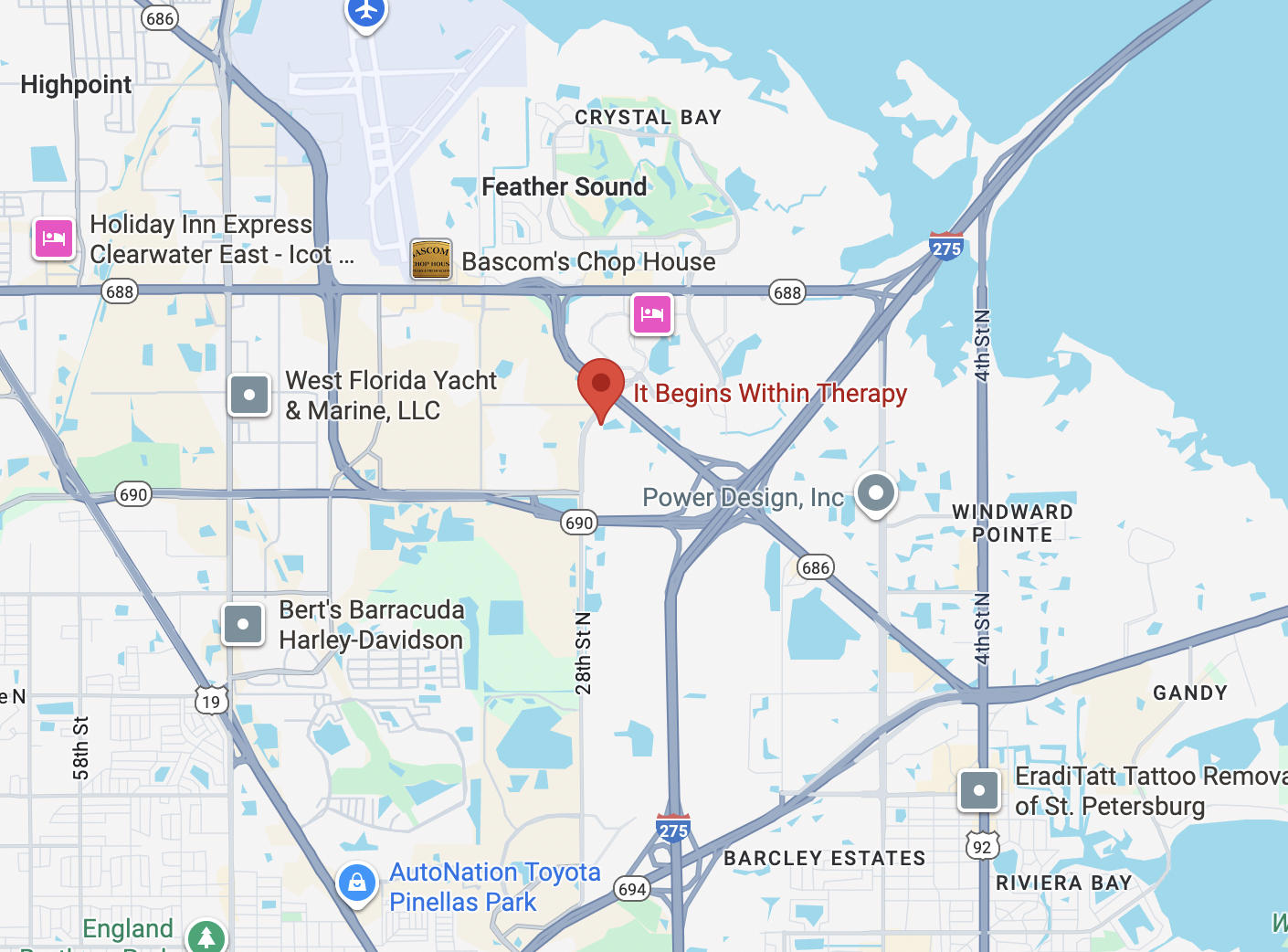
Whether you're struggling with trauma that happened decades ago or something more recent, EMDR can help you feel more grounded in the present. Our St. Petersburg location serves clients in-person, and we also offer virtual EMDR therapy sessions for anyone throughout Florida who prefers to meet from home.
EMDR vs Traditional Talk Therapy: What's the Difference?
Most people arrive at therapy expecting to talk. They want to trace the origins of their pain, articulate their feelings, and develop insight through conversation. Talk therapy, particularly CBT and psychodynamic approaches, is genuinely effective for many challenges. But for trauma, the research increasingly points to a significant limitation, that talking about a traumatic memory does not necessarily change how the brain has stored it.
EMDR is built on a different premise. The brain's natural information-processing system, which normally digests and archives experiences as they happen, sometimes fails to process traumatic memories correctly. When a memory is stored in a fragmented, emotionally charged state, encountering anything associated with that memory can trigger the original emotional response as though the event is happening now. This is why trauma survivors cannot simply think their way out of symptoms. The problem is not a lack of understanding, it is how the memory is held in the nervous system.
EMDR works by activating the traumatic memory while simultaneously engaging bilateral stimulation, typically guided eye movements, tactile tapping, or auditory tones. This dual-attention process appears to engage the same neurological mechanisms as REM sleep, allowing the brain to reprocess the memory in a way that integrates it into the past rather than keeping it alive in the present. The emotional charge dissipates. The meaning attached to the memory shifts. And the client no longer has to manage their life around triggers they could not previously control.
There is no single right approach to healing. Some clients benefit from the relational depth and narrative insight that talk therapy provides. Others find that EMDR reaches material that years of conversation therapy did not. Many clients at It Begins Within work with therapists who integrate EMDR alongside other modalities, using CBT frameworks, somatic awareness, or attachment-based approaches in combination with EMDR processing, because trauma healing is rarely one-dimensional.
What distinguishes EMDR from traditional talk therapy is not speed or superiority but mechanism. Talk therapy changes what you think about an experience. EMDR changes how the brain holds it.
EMDR Therapy for High-Performing Professionals and Leaders
Trauma does not discriminate by income, title, or achievement. Some of the most accomplished professionals including executives, physicians, attorneys, entrepreneurs, and other high-performing individuals carry unresolved trauma that operates beneath the surface of a high-functioning life. The ability to perform under pressure, stay in problem-solving mode, and maintain outward composure can mask profound internal distress for years. And in many cases, the very adaptations that enabled success, relentless drive, difficulty delegating, discomfort with vulnerability, an unrelenting need for control are themselves rooted in earlier experiences that were never fully processed.
EMDR is particularly well-suited for high-performing clients because it does not require extended conversation about personal history in order to produce results. Sessions are structured, time-bounded, and focused. Many professionals appreciate that EMDR addresses the root of their patterns rather than simply teaching coping strategies to manage symptoms, because managing symptoms while still being driven by unprocessed material has already been their default mode.
Common presentations among high-performing clients who benefit from EMDR include anxiety and perfectionistic self-criticism rooted in early achievement pressure, leadership styles shaped by fear of failure rather than authentic confidence, relationship difficulties driven by attachment injuries or early emotional neglect, burnout that does not resolve with rest because its origins are emotional rather than logistical, and acute responses to professional failures or criticism that feel disproportionate and may be activating older material.
Confidentiality is central to our work with professional clients. Sessions are conducted in private, professional settings at our Tampa and St. Petersburg offices, or via secure telehealth for clients who prefer the discretion of remote care. Our therapists understand the particular pressures of high-stakes professional environments and bring the same standard of excellence that high-performing clients bring to every other area of their lives.
For executives and leaders navigating the intersection of personal history and professional identity, EMDR offers an approach that is both evidence-based and deeply practical — not months spent processing what happened, but a structured path toward carrying it differently.
How EMDR Regulates the Nervous System
Understanding why EMDR works requires a brief look at what trauma does to the nervous system. When a person experiences a threatening event, the brain's alarm system, the amygdala, activates a survival response: fight, flight, or freeze. This response is automatic and efficient. It is not a choice, and it is not a sign of weakness. It is biology doing exactly what it is designed to do.
In most cases, once the threat has passed, the nervous system returns to baseline. The memory is processed, catalogued, and stored as a past event. But when a traumatic experience overwhelms the brain's capacity to process it, because of the severity of the threat, a person's age at the time, the presence of repeated trauma, or the absence of adequate support — the memory can become locked in the nervous system in an unprocessed form. The amygdala continues to treat it as present danger. The body remains in a state of chronic activation or shutdown.
This is why trauma symptoms are not a sign of psychological weakness — they are physiological adaptations. Hypervigilance, intrusive memories, emotional numbness, sleep disruption, and persistent physical tension are all signs of a nervous system that has learned, quite reasonably, not to trust that the threat is over.
EMDR works at the level of that stored physiological response. The bilateral stimulation used in EMDR sessions — whether through eye movements, tapping, or auditory tones — appears to activate the brain's adaptive information-processing system, allowing fragmented trauma memories to be reprocessed in a way that signals to the nervous system that the threat belongs in the past. As processing occurs, clients frequently notice the physical sensation of relaxation: a loosening in the chest, slower breathing, reduced muscle tension. The shift is not only cognitive. It is experienced in the body.
For clients with complex trauma or chronic stress, nervous system regulation is often the central work of early EMDR phases. Before any memory reprocessing begins, therapists at It Begins Within spend significant time helping clients develop the capacity to tolerate distress — building what clinicians call a window of tolerance wide enough to hold the material without becoming overwhelmed. This preparatory work is not optional. It is what makes EMDR safe and effective for the people who need it most.
Frequently Asked Questions
Will I have to revisit painful memories during EMDR?
No, you won't have to describe traumatic memories in detail during EMDR therapy. Unlike traditional talk therapy, EMDR doesn't require you to relive or discuss painful experiences extensively. Our EMDR therapists guide you through bilateral stimulation while you briefly focus on the memory, helping your brain reprocess it without re-traumatization. The process is designed to reduce emotional disturbance while maintaining your safety and comfort throughout treatment.
How long does EMDR therapy take?
EMDR therapy is often shorter than traditional talk therapy. For a single traumatic event, research has shown 84% to 90% of clients no longer met criteria for PTSD after just three 90-minute sessions. Complex or multiple traumas usually take longer, often 12 sessions or more, because your therapist will spend extra time building stability before memory processing begins. Our standard sessions are 60 minutes, with longer sessions and EMDR intensives available for faster progress. During your free consultation, your EMDR therapist will assess your situation and give you a personalized treatment timeline.
What are the potential side effects of EMDR therapy?
EMDR is considered safe, but it can bring up strong material while your brain reprocesses it. Common short-term side effects include vivid dreams, heightened emotions, fatigue after sessions, mild headaches, and new memories or sensations surfacing between sessions. These effects are usually temporary and tend to ease as processing continues. Your therapist will teach you grounding and self-regulation tools before processing begins, so you have a plan for managing anything that comes up.
Can EMDR make symptoms worse before they get better?
It is possible to experience a temporary increase in emotional intensity between sessions, particularly in the early stages of EMDR processing. As the brain begins engaging with material it has long suppressed, memories, emotions, and physical sensations that have not been consciously accessible may surface with more frequency or vividness. This is a recognized part of the process, not a sign that treatment is failing. Our therapists provide containment techniques and self-regulation tools before processing begins so that you have concrete resources for managing any material that arises between sessions. Open communication with your therapist about how you are responding to treatment is one of the most important factors in ensuring that EMDR proceeds safely and effectively.
What happens if I dissociate during EMDR?
Dissociation during trauma processing is not uncommon, and our therapists are specifically trained to recognize and respond to it. If dissociative responses arise during a session, whether that looks like emotional detachment, a sense of unreality, or losing track of the present moment, your therapist will pause processing and guide you through grounding techniques before continuing. For clients with dissociative tendencies or a dissociative disorder diagnosis, EMDR is approached with a modified protocol and an extended preparation phase. The safety of the therapeutic environment is the foundation of effective EMDR work, and your therapist will never push forward through material when you are not fully present and resourced.
How do I get started with EMDR therapy?
Start by scheduling a free consultation with our team. We will learn about what you are facing, answer your questions, and match you with an EMDR-trained therapist whose experience fits your goals. Your therapist will then complete an assessment and build a personalized treatment plan, including preparation and coping strategies before any memory processing begins.
What is the cost of EMDR therapy in Tampa?
At It Begins Within, our EMDR treatment costs start at $165 per full 60-minute session. We also offer more comprehensive options including EMDR intensives and EMDR therapy for couples. As a private-pay facility, we do not accept insurance at any of our Tampa, St. Petersburg, or Sarasota locations — which means your care is entirely free from the constraints of insurance authorization, required diagnoses, and session limits imposed by a third party.
How do I find an EMDR therapist near me?
It Begins Within has EMDR-trained therapists in Tampa and St. Petersburg, including a Certified EMDR Therapist through the EMDR International Association (EMDRIA). You can meet each of them above on this page. We also offer virtual EMDR for clients anywhere in Florida. If you live outside Florida, the EMDR International Association directory is a helpful resource for finding a local EMDR therapist.
Can EMDR be done virtually?
Yes. We offer online EMDR therapy for clients anywhere in Florida. Research suggests that virtual EMDR can be as effective as in-person sessions when it is delivered by a trained clinician. Our therapists use a secure, HIPAA-compliant video platform and adapt bilateral stimulation for the screen, such as visual tracking or self-administered tapping. Virtual EMDR works well for clients with busy schedules, mobility challenges, or a preference for therapy from home.
Does EMDR therapy work?
Yes. EMDR is one of the most researched treatments for trauma, and it is recommended for PTSD by the American Psychiatric Association and the Department of Veterans Affairs and Department of Defense. Studies show it can reduce PTSD symptoms, trauma-related anxiety, and distressing memories, often in fewer sessions than traditional talk therapy. How quickly you notice change depends on your history, but many clients report meaningful relief early in the processing phase.
Can EMDR help with childhood emotional neglect?
Yes, and it is one of the areas where EMDR produces some of the most meaningful results. Childhood emotional neglect or growing up in an environment where your emotional needs were consistently unacknowledged, minimized, or unmet — leaves a particular kind of mark. It often does not register as trauma in the conventional sense because nothing overtly terrible happened. Yet the absence of consistent emotional attunement during formative years creates deeply embedded negative core beliefs about the self and about relationships. EMDR targets the specific early experiences that formed those beliefs, helping the brain reprocess them with the perspective and resources of an adult. Many clients working through childhood emotional neglect describe a profound shift — not just understanding their history intellectually, but actually feeling differently about themselves.
Is EMDR effective for panic attacks?
EMDR is increasingly used as part of comprehensive treatment for panic disorder, particularly when panic attacks are rooted in earlier traumatic or threatening experiences. Many panic attacks are not random events, they are triggered by stimuli that the nervous system has associated with past danger, even when the connection is not consciously apparent. EMDR can help identify and reprocess the underlying memories or experiences driving the panic response, reducing the frequency and intensity of attacks over time. For clients whose panic is more generalized or physiologically driven, EMDR is often integrated with CBT-based approaches and somatic work.
Can couples do EMDR together?
Yes, and It Begins Within is among the few practices in Florida offering EMDR integrated into couples therapy. EMDR for couples works by addressing the individual attachment injuries, relational wounds, and emotional triggers that keep partners locked in painful cycles. Rather than focusing solely on communication skills, EMDR helps each partner release the deeper emotional charge behind their reactions, creating the conditions for genuine empathy and connection. Our therapists combine EMDR with evidence-based couples approaches including Gottman Method and Emotionally Focused Therapy, tailoring the integration to where each couple is in their relational healing.
Does EMDR work if I don't remember the trauma clearly?
Yes, and this is one of the most important things to understand about EMDR therapy for trauma. You do not need clear, chronological access to a traumatic memory for EMDR to be effective. Many people seeking EMDR therapy near them are working with trauma that is fragmented, incomplete, or accessible only through physical sensations, emotional states, or behavioral patterns rather than explicit narrative memory. This is not a barrier to treatment, it is a reflection of how trauma is actually stored in the nervous system.
The brain does not archive traumatic experiences the way it stores ordinary memories. During a threatening event, the hippocampus, responsible for narrative memory formation, is often overwhelmed, which means the experience gets encoded primarily as sensory fragments, body responses, and emotional charge rather than a coherent story. This is why so many trauma survivors describe knowing something happened without being able to recall it clearly, or feeling reactions they cannot explain intellectually.
EMDR works with whatever is present. Your therapist will help you access the memory through whatever entry point is available, a feeling, a physical sensation, a recurring image, or a core belief about yourself that does not respond to logic. The bilateral stimulation used in EMDR activates the brain's adaptive processing system regardless of how complete the memory is. In many cases, additional clarity about the original experience emerges naturally during processing, not as a requirement for progress, but as a byproduct of the brain beginning to integrate material it previously could not hold.
For clients navigating complex trauma or childhood experiences where explicit memory is limited, online EMDR therapy through our Florida telehealth platform is also an effective option, allowing you to work with a specialist from the privacy of your own space.
Learn more about our Tampa, Sarasota & St. Petersburg therapy services.

Speak with the Top-Rated EMDR Practitioners Near Me
If you are searching for “EMDR near me” we offer comprehensive mental health services and free consultations for all of our skilled therapists. Our belief is that the strongest factor in your success through therapy is the relationship with your therapist - and we want to ensure that.